How to Create a Healthy Resupply in a Tiny Town

oregon desert trail

What to Eat When the Healthy Choices are Non-existent or Obscure

Let’s start with a quick story of an experience I had like this on the Oregon Desert Trail. We had just walked the remaining 7 miles into McDermitt, NV, arriving around 8am for what would be the closest day we’d have to a zero on this 750-mile route through the very sparsely populated region of eastern Oregon.

It’d been 10 days of 90-degree dusty desert hiking since we’d had a shower, and 6 days since we’d had any meals other than backpacking food. I was jonesing for some vegetables. I’d been dreaming of a big bowl of dark leafy greens with tomatoes, beets, walnuts, avocado, olive oil, and balsamic vinegar.

Alas, as much as I’d prayed to the desert gods for some real, healthy food, I knew I wasn’t going to find it here. McD is a ranching, farming, and mining town that straddles the NV/OR border. It consists of a motel, a cafe/casino, a PO, a high school, and an all-in-one gas station/market/convenience store. This was one of the few places I didn’t mail myself a resupply box on the ODT and I was immediately regretting it.
tiny town resupply
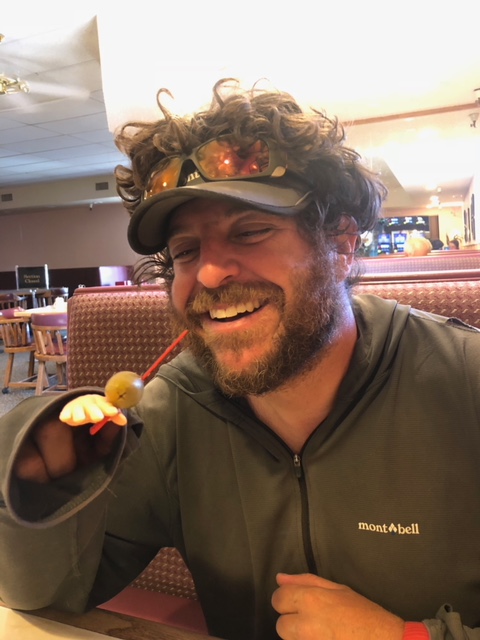
Veggies were sparse in McDermitt, NV.

After our first (of four) meals at the Say When Casino and Cafe, it was time to create our resupply for the next 5 days. We walked into the small gas station/market/c-store and I saw about 8 rows of packaged foods, some coolers of soda and beer, and a small stand of “fresh” produce (Hey, at least there’s some produce at all!). Time to get creative.

There are many such towns from which you may have to resupply, especially if you are going to hike any trails or routes off the beaten path. And especially if you decide to hike in one of the most remote regions of the country.

convenience store

How to Approach Eating for Optimal Health and Energy in a Tiny Town C-Store

First, accept that you’ll have to make some compromises, but don’t give up on the goal of healthy eating entirely! It may all look like junk, but some choices are better than others here. Let’s look more closely.

Don’t make the process overwhelming. The process is simple.

  • Make Your List

Until you get the hang of what items you need for a healthy resupply, and before going into the store, write a short list of ideas for breakfast/lunch/dinner/snacks/beverages. For efficiency and cost, choose items that can be used in multiple ways for different meals (like corn chips you’ll eat with PB for lunch and again with beans for dinner OR trail mix that can be added to oatmeal for breakfast or used as a stand alone snack). Keep your list general: nut butter, salami, breakfast bars, oatmeal, nut butter, etc. Be sure to have a mixture of flavors and textures as well as macronutrients (aiming for about 20% protein, 40% fat, 40% carb-or whatever feels best for your body).

  • Choose Your Food

Browse the shelves. When you see an item from your list, you’ll likely see multiple different varieties (chips/pb/trail mixes/etc). Which to choose? Look at the ingredient label. You are looking for the least number of ingredients possible. You are also looking to avoid added industrial oils, preservatives, food colorings, and high fructose corn syrup when possible. Unfortunately, it’s not always possible in these tiny stores, but do your best. You are also looking for items in their most whole food/least processed form. Focus on proteins, healthy fats (olive oil, avocados, coconut oil, nuts), and low sugar carbs.

If there is a produce section, look for the freshest (not wilted or bruised), most nutrient-dense items to either pack out or eat before leaving town. Amazingly, many of these tiny places sell avocados (great for potassium, fiber, antioxidants). Bags of spinach or carrots are also widely available and easy to pack out.

  • Calculate Your Calories

Before leaving the store, use your phone calculator to quickly get an estimate of the calories. This takes less than 5 minutes and can help you avoid overspending on (and carrying) food you don’t need and/or assure you that you have enough if you’re feeling uncertain.

For the amount of calories you need each day, that will take a bit of experimentation, but use this calculator (or something similar) to get in the ballpark, and adjust from there depending on terrain, climate, and whether you’re losing a bunch of weight or not. Add up the calories in your basket and divide by the number of days you plan to be out. Voila. If you want to go above and beyond, calculate your macros to be sure you have the right ratios of fat, protein, and carbs. This would likely be easiest by entering the foods into a free app, such as MyFitnessPal.
tiny town healthy resupply

What I Chose in McD for my 5-Day Resupply

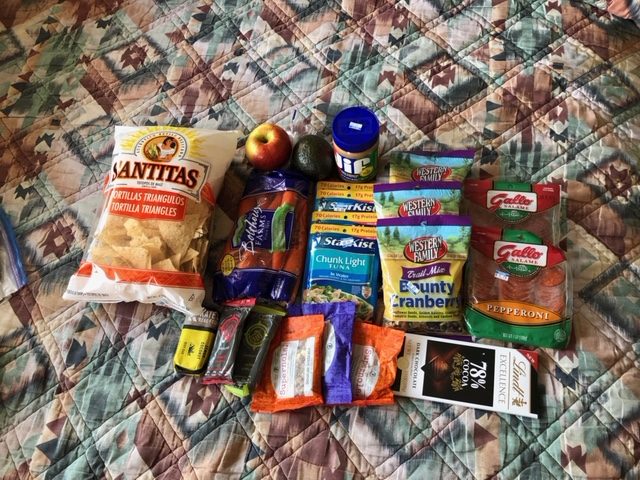
My calorie goal for 5 days early in the trip was about 11,500, or 2,300 per day. Here’s what I found in the convenience store. A couple items, where noted, were leftover from my last box, but these calories could have been substituted with other bars or trail mix or another avocado from the c-store.

1 lb bag Tortilla Chips=1500 calories

1 lb whole carrots=150 calories

1 large avocado=300 calories

1 apple=100 calories

Dehydrated Refried Beans=300 calories

2 Coconut Oil packets (leftover from my last resupply)=240 calories

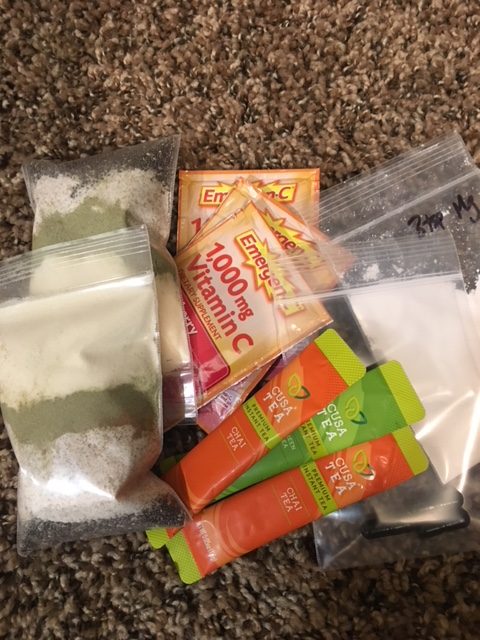
3 coconut-greens-collagen smoothie mixes (leftover from last resupply)=600 calories

3 Kates/Fourpoints bars (leftover from last resupply)=900 calories

3 Granola packets (leftover from last resupply)=750 calories

4 tuna pouches=300 calories

1 lb peanut butter=2600 calories

3 bags of fruit/seed/nut trail mix=2300 calories

Chocolate Bar=600 calories

Pepperoni=800 calories

Salami=700 calories

Electrolyte drink mix=50 calories

Kombucha (drank in town)=80 calories

total= ~12,200 calories

I usually pack just a little bit extra, such as a couple bars, for calories in case I’m hungrier than expected or take longer to reach the next town than expected.

As you can see, it’s not ‘perfect’ in terms of being organic, super high quality food, but it covers my nutritional bases, and it’s far from the typical pop-tarts/snickers/doritos resupply that could be purchased from the same store.
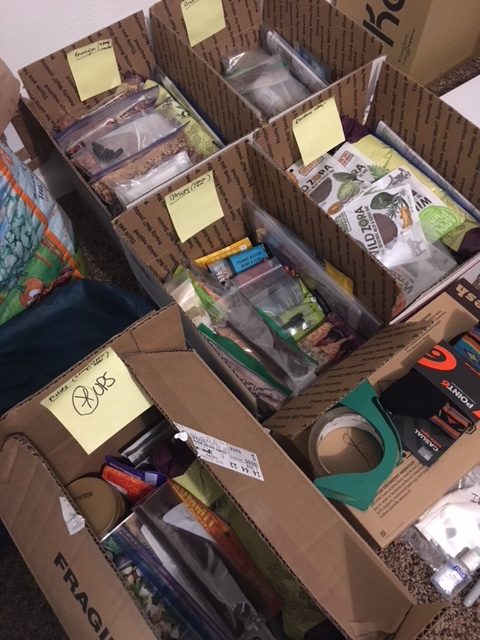
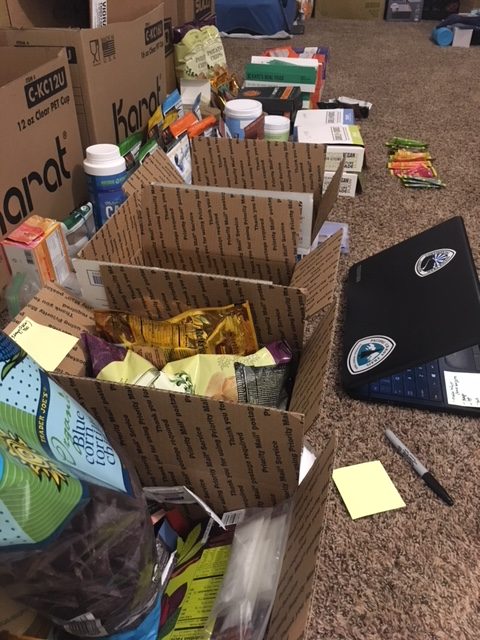
Even when options are limited, you can still make good choices that will fuel you for optimal energy and endurance!

Oregon Desert Trail Resupply Planning

ODT resupply

Food Resupply Plan for the Oregon Desert Trail

This post details how I planned my food for the Oregon Desert Trail. I’ll post more on general trail information and planning resources in a separate post. This one is all about where, what, and how much I planned for food resupply for the ODT. I’ll do a follow-up post when I return about how this plan worked out.

Grab a cup of coffee. This is a long one, but hopefully you’ll find it’s jam-packed with useful info.

The following table details where I sent each box, the calorie goals for each day, the specific food I sent, and how that broke down in term of macronutrients (percentages of fat, carbs, and protein), as well as total food weight carried.

The calorie goal for each resupply box is in the top left corner of the table for each location. The actual calories in the box are at the bottom of the table for each section, which is also where you’ll find the macro breakdown and the food weight of the box.

ODT resupply

Determining Goal Calorie Intake

I loosely track daily calories and nutrients with the app MyFitnessPal. To create my calorie goals, I used that data of my current intake and expenditure, coupled with knowledge from previous hikes.

The numbers may seem low considering that I’m 5’7″, have a normal BMI, and I’ll be hiking 25-30 miles per day. However, I made them low for a couple reasons:  1) I’m still recovering from a hypo-thyroid issue, and the thyroid is the master regulator of metabolism, so my current basal metabolic rate (BMR) is lower than it has been in the past. I know this because I track my calorie intake and weight. While some might consider the downside of this being that ‘I have to’ eat less food to maintain my weight, the upside of a currently lower BMR is that ‘I get to’ eat less food to maintain my weight. That’s convenient when you’re backpacking and you have to carry it all on your back 🙂 And reason 2) The time frame (30 days) is relatively short, so I won’t get into full on hiker hunger, and if I do go into a calorie deficit, it won’t be for long.  You’ll also notice that in each box I include several hundred additional calories above the goal amount, just in case.

Macronutrient Percentages

Let’s start by saying that I strongly believe in bio-individuality. Every body is different. Figure out what works best for you. I mean that in terms of both what your diet is made up of, as well as in terms of calories and macronutrients, and in terms of specific foods you do or do not tolerate well. Food quality and a focus on whole foods is the constant and the details are variable.

I’ve found that I thrive when I eat a diet higher in healthy fats, moderate in protein, and slightly lower in carbs. The numbers in this chart show my diet as generally being 50-60% fat, 10-20% protein, and 30-40% carbohydrate. Off trail, the fat number tends to be higher and the carbs lower, but this is how it settled out for the trail and I’m comfortable with that. We’ll see how I feel.

Also, I’m aware that in the table, the macro percentages don’t always add up to 100%. In a couple spots they add up to 102 or 105%. I believe this is due to averaging values for different varieties/flavors of granola, bars, etc. While this is not ideal, the data is still accurate enough to give a good reflection of what the nutritional spread looks like.

Food Planning on a ‘Restricted Diet’ while Going Stoveless

All foods in this resupply plan are gluten free and dairy free. This list does also not rely heavily on grains or added sugars, though there are a few in there. The focus is on including real foods with either no ingredient list or very short ingredient lists made up of recognizable foods. To avoid toxin exposure, most of these foods are organic.

I firmly believe in doing the best you can, and not obsessing about being perfect. While I’m all for eating a high-quality diet on trail, don’t let the idea overwhelm you to the point where you give up before you start. Start where you’re at and any small improvements you can make in food choices and quality will translate into feeling better on trail and supporting a cleaner environment.

Supplements & Other Items in Each Box

There are a few items that went into each box that aren’t listed in the chart. This includes maps for each section, wet wipes, and supplements. Oh, and resupply baggies of coarse celtic sea salt 🙂

Supplements I’m carrying: Magnesium Citrate Powder to help with muscle relaxation and sleep; Turmeric capsules to reduce overall inflammation; Vitamin C for electrolyte replacement and antioxidants; and probiotics to maintain optimal gut health.  Not a ton, just the basics.

I also have cordyceps mushroom powder in my morning smoothie mix, along with the coconut creamer, collagen, chia, and spices. The cordyceps is for improved oxygen utilization and endurance. The spices, while not necessarily  supplements, serve similar anti inflammatory and medicinal roles.

For a deep dive into performance nutrition and meal planning for backpackers, check out our online course on the topic.

ODT resupply

Specific Brands I Carried

In the table, I left most food descriptions fairly general because I want to convey that in many instances you don’t have to choose one specific brand, and you can often find healthy substitutions that are either more available to you or suit your preferences better. I want the focus to be on the overall quality of the food and the idea that you can fuel a long distance hike with whole foods, made up of real ingredients.

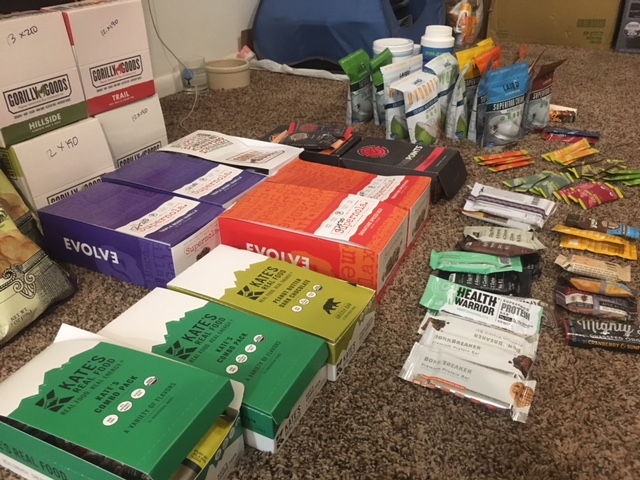
The following are the specific brands I carried on this hike. While some of this food was donated to me, these are all brands I had tried in advance and approve of the ingredients and nutrition profile. I wouldn’t carry them if I wasn’t certain they would fuel my hike properly. Having gone through adrenal and thyroid issues in the past, I’m well aware that my energy and my body are my greatest asset on any long distance hike.

It’s worth it to me to be thoughtful in my food choices, as well as in what brands I support. I like to feel aligned with the brands behind the products I consume to the extent that I can. This also goes for the gear I purchase.

If you want ideas for additional foods on my shopping list beyond what’s listed here, download my free Healthy Hiker Grocery Guide here

Without further ado, my resupply chart. Apologies that this is somewhat difficult to read. My resupply charts have vastly improved since this iteration, but hopefully this at least shows you the structure. 

 calories/servingfat g/servingcarb g/servingprotein g/servingweight/ serving (grams)servings takentotal caloriestotal fat (g)total protein (g)total carbs (g)total weight (g)
Start/eastern terminus (5 days) @ 2000 cal/day = 10000 cal           
coffee/tea00000000000
laird superfood creamer75330453751501520
greens powder, cinnamon, ginger, cordyceps305711051502553550
collagen powder702.511015535012.550575
chia seeds (1 tbl)6055313530025152565
            
almond butter1901777321426602389898448
organic corn tortilla chips1408152288.511906817127.5238
trail mix2001761234612001027236204
granola21016146424840642456168
bars26012311070410404840124280
chocolate25020134 2.5625501032.50
jerky1106107314440242840124
            
beans1300247356780042144210
mixed veg301831351505154065
coconut oil1201400154480560060
spices00000000000
wild zora dinner310738358513107353885
            
TOTAL      97156623817364.20
Calories from F/C/P       5958.0015242944pounds
Percent of Total       61.3315.6930.30 
            
ROME (5.5 days) @ 2200/day =12,000 cal           
coffee/tea00000000000
laird superfood creamer135330456751501520
chia seeds (1 tbl)6055313530025152565
greens powder, cinnamon, ginger, cordyceps305711051502553550
collagen powder702.511015535012.550575
hydrate mix4001001293600090108
        0   
almond butter1901777321426602389898448
organic corn tortilla chips1408152288.6120468.817.2129240.8
granola200161464261200963684252
jerky1106107314440242840124
bars26012311070820809680248560
trail mix2101761234612601027236204
chocolate25020134 2.5625501032.50
        0   
wild zora dinner340232418513402413285
beans1300247356780042144210
mixed veg301831351505154065
coconut oil1201400154480560060
spices00000000000
            
TOTAL      13054815.3509.21053.55.73
Calories from F/C/P       7337.702036.84214pounds
Percent of Total       56.2115.6032.28 
            
(MCDERMITT: BUY IN TOWN)           
            
FIELDS (3 days) @ 2500 cal/day =7500 cal           
coffee/tea00000000000
laird superfood creamer753304322590912
greens powder, cinnamon, ginger, cordyceps30571103901532130
collagen powder702.51101532107.530345
chia (1 tbl)605531331801591539
        0000
almond butter1901777321426602389898448
potato chips14071722879804914119196
bars260123110703780363093210
trail mix21017612344840684824136
granola2101614642242032122884
jerkey110610731333018213093
        0000
wild zora meal310232418513102413285
beans1300247356780042144210
mixed veg301831351505154065
coconut oil1201400154480560060
spices00000000000
            
TOTAL      8435550.53636563.82
Calories from F/C/P       4954.5014522624pounds
Percent of Total       58.7417.2131.11 
            
FRENCHGLEN (4 days) @2500 cal/day =10,000 cal           
coffee/tea00000000000
laird superfood creamer75330453751501520
greens powder, cinnamon, ginger, cordyceps305711051502553550
collagen powder702.511015535012.550575
chia (1 tbl)6055313530025152565
        0000
almond butter1901777321426602389898448
potato chips1007172281010007020170280
trail mix210176123451050856030170
granola20016146424800642456168
bars25012311070820009680248560
chocolate25020134 2.5625501032.50
jerky110610731333018213093
        0000
wild zora dinner370833368513708363385
beans1300247356780042144210
mixed veg301831351505154065
coconut oil1201400154480560060
spices00000000000
            
TOTAL      11420767.5476961.55.24
Calories from F/C/P       6907.5019043846pounds
Percent of Total       60.4916.6733.68 
            
PLUSH (2 days) @ 2500 cal/day = 5000 cal           
coffee/tea00000000000
laird superfood creamer75330453751501520
greens powder, cinnamon, ginger, cordyceps305711051502553550
collagen powder702.511015535012.550575
chia (1 tbl)6055313530025152565
        0000
wild zora breakfast52036431092152036104392
trail mix21017612344840684824136
granola20016146424800642456168
bars25012311070102500120100310700
jerky110    22200000
nut butter1801489321180149832
wild zora dinner370833368513708363385
            
TOTAL      6605387.52975543.18
Calories from F/C/P       3487.5011882216pounds
Percent of Total       52.8017.9933.55 
            
(LAKEVIEW: BUY IN TOWN)           
            
PAISLEY (2 days) @ 2500 cal/day = 5000 cal           
coffee/tea00000000000
laird superfood creamer75330453751501520
greens powder, cinnamon, ginger, cordyceps305711051502553550
collagen powder702.511015535012.550575
choc coconut creamer351203124201202436
wild zora breakfast52038401192152038114092
trail mix20017612344800684824136
granola20016146424800642456168
bars26012311070102600120100310700
jerkey110610731222012142062
wild zora dinner340738358513407353885
            
TOTAL      6575373.52875673.18
Calories from F/C/P       3361.5011482268pounds
Percent of Total       51.1317.4634.49 
            
CHRISTMAS VALLEY (4 days) @ 2500 cal/day=10,000           
coffee/tea00000000000
laird superfood creamer75330453751501520
greens powder, cinnamon, ginger, cordyceps305711051502553550
collagen powder702.511015535012.550575
choc coconut creamer351203124201202436
            
almond butter1901777321426602389898448
potato chips1007172281010007020170280
trail mix2001761234612001027236204
bars26012311070718208470217490
chocolate25020134 2.5625501032.50
jerky1106107315550303550155
            
beans1300247356780042144210
mixed veg301831351505154065
coconut oil1201400154480560060
spices00000000000
            
TOTAL      9685647362811.54.35
Calories from F/C/P       5823.0014483246pounds
Percent of Total       60.1214.9533.52 

Questions? Post them in the comments below.

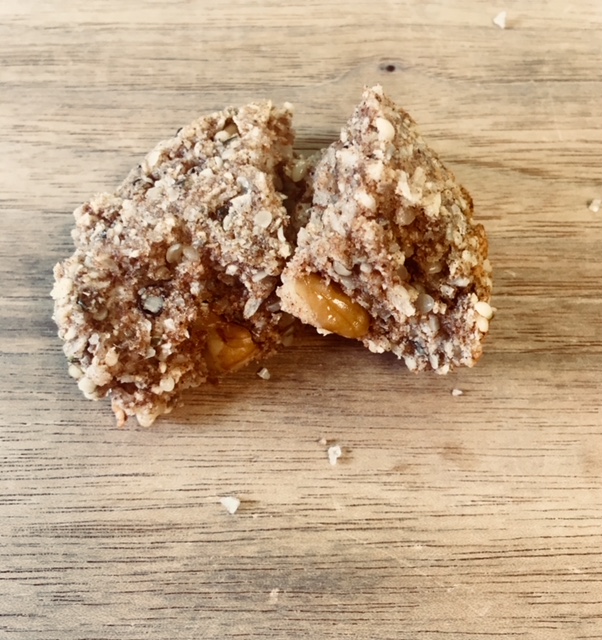
Coconut Walnut Cookies

coconut walnut cookies

I don’t eat many cookies, but when I do, I’m looking for high fat, low sugar snacks that pack well for long days in the mountains.

I’ve been hiking 14ers a lot on the weekends this summer and keeping a batch of these coconut walnut cookies in the freezer has been key to getting me out the door quickly with healthy fuel in tow. I throw a few of these in my food bag, along with some nuts, and I’m out the door. I like knowing that I have a clean, home-made snack that’s going to fuel me for the day. No more processed, sugary, chewy bars.

coconut walnut cookies

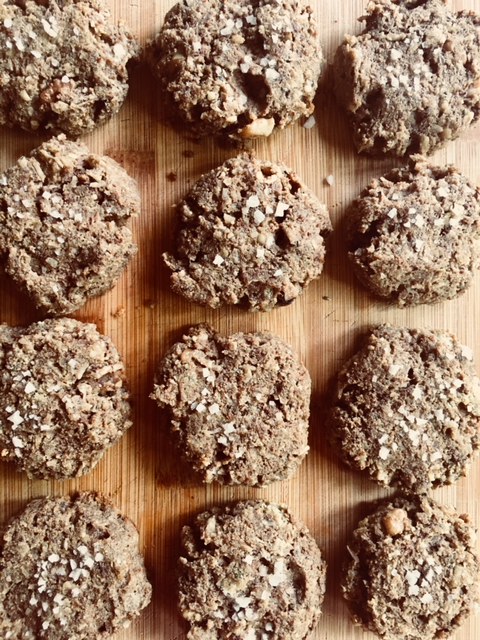
These cookies can be whipped up in about 30 minutes, including bake time, and they are gluten free and dairy free. The high fat content keeps me satiated on long hikes.

They are definitely less sweet than your average cookie, having just a hint of sweetness from the honey. In addition to the high fat content, the cinnamon also adds a blood sugar balancing effect. The sea salt on top replaces minerals lost through sweat and, well, it just tastes delicious. I like to have big chunks of walnuts in mine, but you could grind the walnuts to a finer consistency. Alternatively, you could substitute other nuts or seeds there.

I believe I found the original version of these on a keto forum and then adjusted it to suit my needs. If anyone knows the original source, please feel free to comment below.

coconut walnut cookie

Coconut Walnut Cookies

1/3 cup hemp seeds

1/2 cup shredded coconut, unsweetened

3 large eggs

1/2 cup coconut flour (or almond flour)

1/4 cup coconut oil, melted (or ghee or grass-fed butter)

2 teaspoons cinnamon (or pumpkin pie spice mix)

1/2 cup walnuts, toasted, chopped

1/8 teaspoon himalayan salt

1/8 cup honey

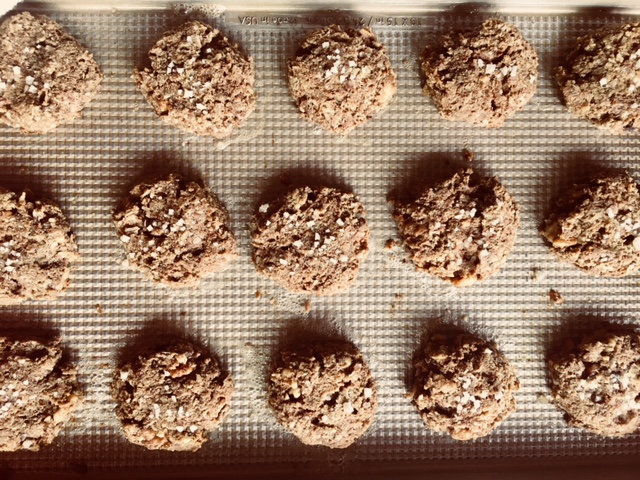
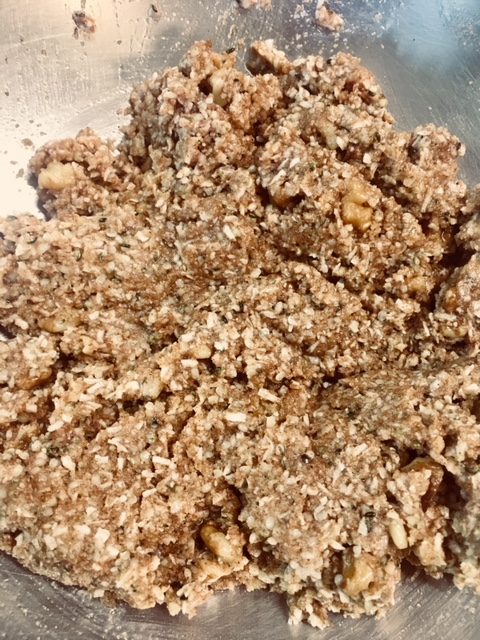
Mix all ingredients together in mixing bowl. Portion 1-2 Tablespoon size balls onto a parchment-lined cookie sheet. Top with coarse sea salt.

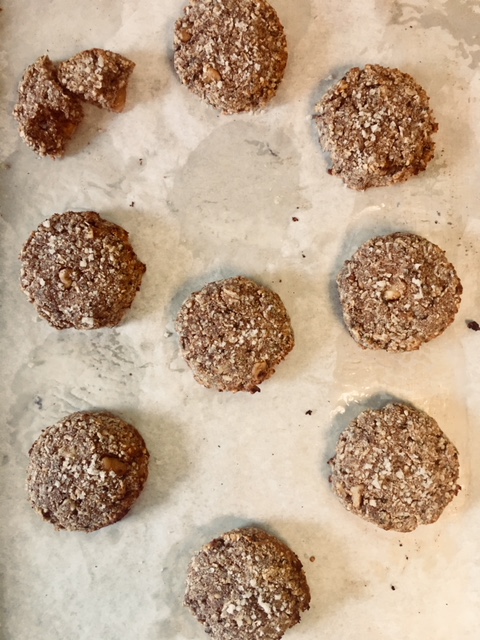
Bake at 325*F for 12-15 minutes, until lightly golden brown.

cookie batter

cookies

Rim to Rim to Rim in a Day: Nutrition

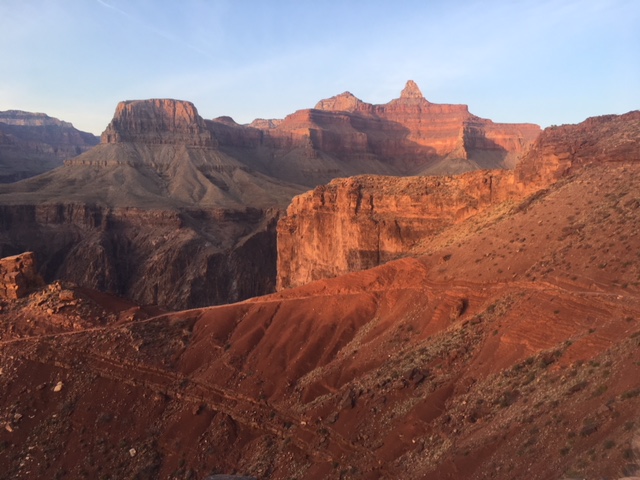
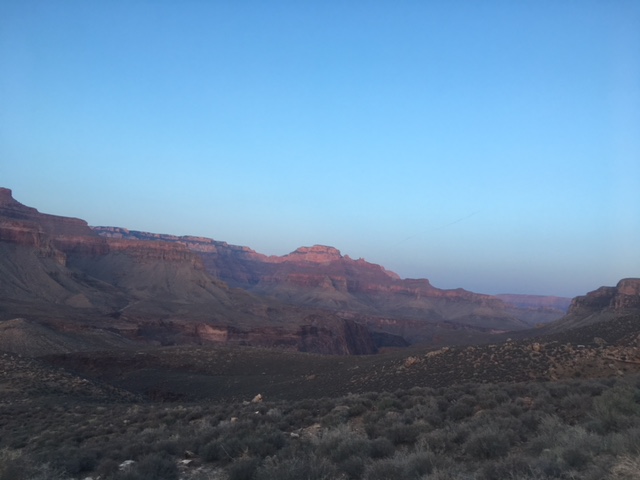
Fueling for a long day on trail can make or break the outcome of your hike. As you can imagine, I’m pretty intentional about giving my body what it needs to succeed, especially when I’m undertaking a physically stressful endeavor, such as hiking 40+ miles with 11k’ of elevation gain in a day. This post covers my Rim to Rim to Rim (R2R2R) nutrition strategy.

If you’re interested in reading a full account of my hike, please see this post, where I discuss the gear I wore/carried as well as details from my day of hiking in the Grand Canyon.

What follows is a list of what I ate during my day of hiking R2R2R. Of course, how I eat, move, sleep, etc. on a daily basis has a greater overall impact on performance than what I do in one 24 hour period, but for those interested, here’s how I approach fueling a long day of hiking.

I’ll also explain a bit about why I chose what to eat and why I chose to eat it when I did. The intention is to provide insight into how I eat for endurance and lasting energy, and hopefully you can take some tips away to use on your own adventures.

rim to rim to rim food

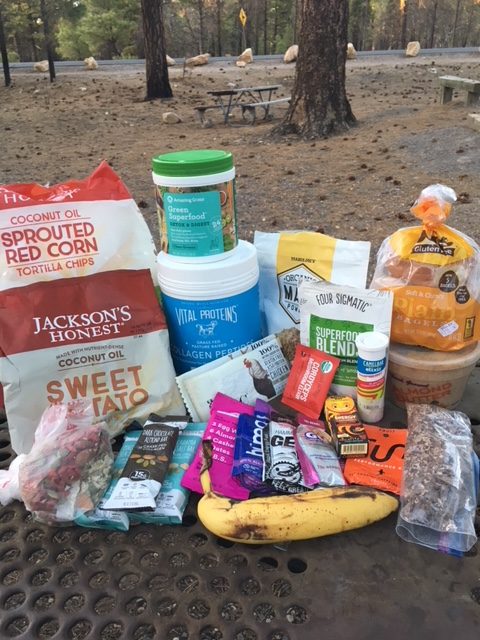
This photo provides a general idea of the food I brought with me to the Grand Canyon, from which I would choose what to carry on my R2R2R hike. I didn’t take all of this and I only carried a serving or two of the items pictured in bulk (e.g. the greens powder, the protein powder, the almond butter). Some of it I didn’t take at all (e.g. the bagels and the coconut chocolate).

To determine how much to carry, I used calories as the primary metric. Because I wanted to be sure I had plenty for an over-nighter should I need to stay in the canyon, I carried a bit extra, and aimed for ~4,000 calories.

Here’s approximately what I ate and when, followed by an explanation of why.

5am: 3 scoops Vital Proteins Collagen Peptides + 1 scoop Trader Joes Organic Maca Powder + Four Sigmatic 10 Mushroom Blend + 1 scoop Amazing Grass Superfood + 1 spoonful almond butter (my favorite is Natural Grocer’s fresh ground… so fluffy and creamy) + 12 oz. strongly brewed Puehr Tea.

Supplements taken with breakfast: 1000 mg Vitamin CSelenium, Zinc, Omega Complex and Cellular Vitality Complex (found here, search lifelong vitality pack).

8am: Primal Kitchen Bar

10am: 1 banana, a couple servings Jackson’s Honest Sweet Potato Chips

12pm: 2 homemade date bites (similar to this recipe)

1pm: More sweet potato chips + 1 spoonful almond butter

3 pm: Primal Kitchen Bar

4pm: 1 date bite

5:30 pm: Good Day Caffeine Chocolate, 2 spoonful almond butter, a couple servings Jackson’s Honest Sprouted Red Corn Tortilla Chips

6 Nuun electrolyte tablets in water throughout day

Explanation

Whatever time you choose to break your fast (breakfast), it’s arguably the most important part of the day, nutritionally speaking. I started the morning with 30 grams of protein and a healthy fat, as I often do, whether on trail or off. This breakfast is satiating, so I don’t have to think about fueling again as quickly, and it also boosts leptin, a hormone which decreases appetite and leaves me feeling more satiated for the rest of the day.

I find that having a high carb/high sugar breakfast puts me on an insulin roller coaster of sugar spikes and crashes. High carb breakfasts cause me to be hungry an hour later, after the sugar has worn off, and I find myself craving more carbs. There’s nothing wrong with carbs, and of course, they’re necessary for glucose-dependent activities such as hiking, but glucose (carbs) is a quick-burning fuel. Adding fat and protein to meals slows down digestion and creates slower-burning, longer lasting, more stable energy. Adding fat and protein to pretty much everything I eat balances blood sugar and helps me have stable energy all day.

In an effort to postpone getting into too much of a calorie deficit, I had a protein bar after I reached the river, while walking through the canyon. Food would be easier to digest during easy walking. Our bodies only process about 200-300 calories per hour, so I try to eat throughout the day, so I can keep moving, as opposed to eating a lot at once.

Right before beginning the climb to the North Rim, I wanted to take in a decent amount of carbs to fuel me, so I had a banana and chips. I also knew I’d be in the sun and beginning to sweat a lot, which is why I chose a salty snack. The potassium from the banana was also helpful for mineral balance while sweating.

About 2 miles from the North Rim, it was getting hot and I was hitting a wall, so I had a couple of date bites, which are high carb, but with a little fat and protein.

At the rim, I took a short break for some chips and almond butter to replenish some salt, and because it’s my favorite trail snack. I also wanted the carbs and fat to fuel me on the way down.

Back at the bottom, walking along the river, I was beginning to get tired, so I had another bar and a date bite to keep me moving.

My last snack was before crossing the river, heading back up to South Rim. I chose caffeine chocolate to give me an extra boost on the 5,000′ climb, chips for the salt and carbs, and almond butter for the fat to fuel the last 7 miles. I probably should’ve snacked again on some carbs a couple miles before the end because I was definitely hitting a wall, but I pushed on instead.

I made sure to drink a lot of water throughout the day, especially at sources, where I would ‘camel up’. I added Nuun tabs to replenish electrolytes lost through sweat.

Whatever your adventure, whether long or short, hopefully this provided some insight into how I think about maintaining energy for a long day outdoors.

For a deep dive into performance nutrition and meal planning for backpackers, check out our online course on the topic.

grand canyon