
How to Eliminate Sugar Cravings for Good

wind river hiking

“How do you make desserts all day and not want to eat it all?”

Working as a baker and pastry chef over the past handful of years, this is one of the most common questions I’m asked. And to be honest, it used to be a lot more tempting to snack on the sugary treats that were around me all day. However, now that I’ve learned to tame my sugar cravings and rely on fat for fuel, it’s easy to steer clear of sweets. It’s not that I have iron-clad willpower–I just rarely crave sugar anymore.

sugar

Eschewing candy and quick-burning carbs in favor of whole foods provides more consistent energy and endurance. It’s one thing to know this, but when it comes to putting it into practice, it can be a struggle to break the sugar habit and combat cravings.

If you identify yourself in any of these statements, you might be experiencing blood sugar imbalances, and you’ll likely benefit from keeping your sugar cravings in check.

  • You get hungry an hour after eating
  • You’re jittery and light-headed if you miss a meal or snack
  • You crave sweets after a meal
  • You need sugar and/or caffeine for quick energy
  • You get ‘hangry’ and hunger comes on immediately
  • Life without sugar sounds unbearable

Blood sugar swings result in that post-lunch slump and the inability to maintain energy for a long day in the mountains (or at the office). Blood sugar dysregulation can also have a host of other negative physiological consequences, including increased inflammation and oxidative stress, and decreased liver detoxification.

What this means in real life for the endurance athlete is increased fatigue, decreased endurance, slower recovery, and being more prone to injury and illness.

Interested in a meal template to make balanced blood sugar super simple + a sample meal plan? Grab the guide for FREE here.
colorado trail

The key to balanced blood sugar is stepping off the sugar roller-coaster. Here are the primary approaches I’ve used to transition from relying on sugar for quick energy to the ability to go from meal to meal with steady energy.

  • Stay Hydrated

Whether on trail or off, start your day with at least a liter of water. Add sea salt and lemon, if it’s available, for a boost in minerals and energy. Drinking water before eating breakfast or a sugary snack ensures that you’re not confusing hunger for thirst. Staying hydrated also helps you avoid unnecessary blood sugar swings, keeping you from craving more sugar.

  • Get Enough Sleep

The amount and quality of sleep you get directly impacts your hormones. Your hormones impact every system in your body. In terms of blood sugar, a decrease in sleep causes higher cortisol, which results in higher blood sugar, which drives up insulin, which causes cravings for simple carbohydrates. Eating the simple carbs further drives up blood sugar and insulin, which further drives up cortisol, creating a vicious cycle.

journal stress reduction

  • Reduce Stress

Stress can come in many forms and it impacts your body negatively whether it’s real or perceived, physical or emotional. It could be stress from a fight with your partner or stress from walking 20+ miles per day. The result is higher levels of cortisol. As described in the previous tip, higher cortisol leads to higher blood sugar, which leads to higher insulin, which leads to even more cortisol, and round and round it goes. Find stress reduction techniques which work for you, such as meditation or journaling.

  • Eat a High Protein Breakfast

As this study indicates, eating a higher protein breakfast can decrease levels of ghrelin, a hunger-stimulating hormone. It also slows stomach emptying, which means you stay satiated longer and have more consistent energy. This keeps you from reaching for those simple carbs an hour after breakfast. A commonly recommended regimen is 30 grams of protein within 30 minutes of waking.
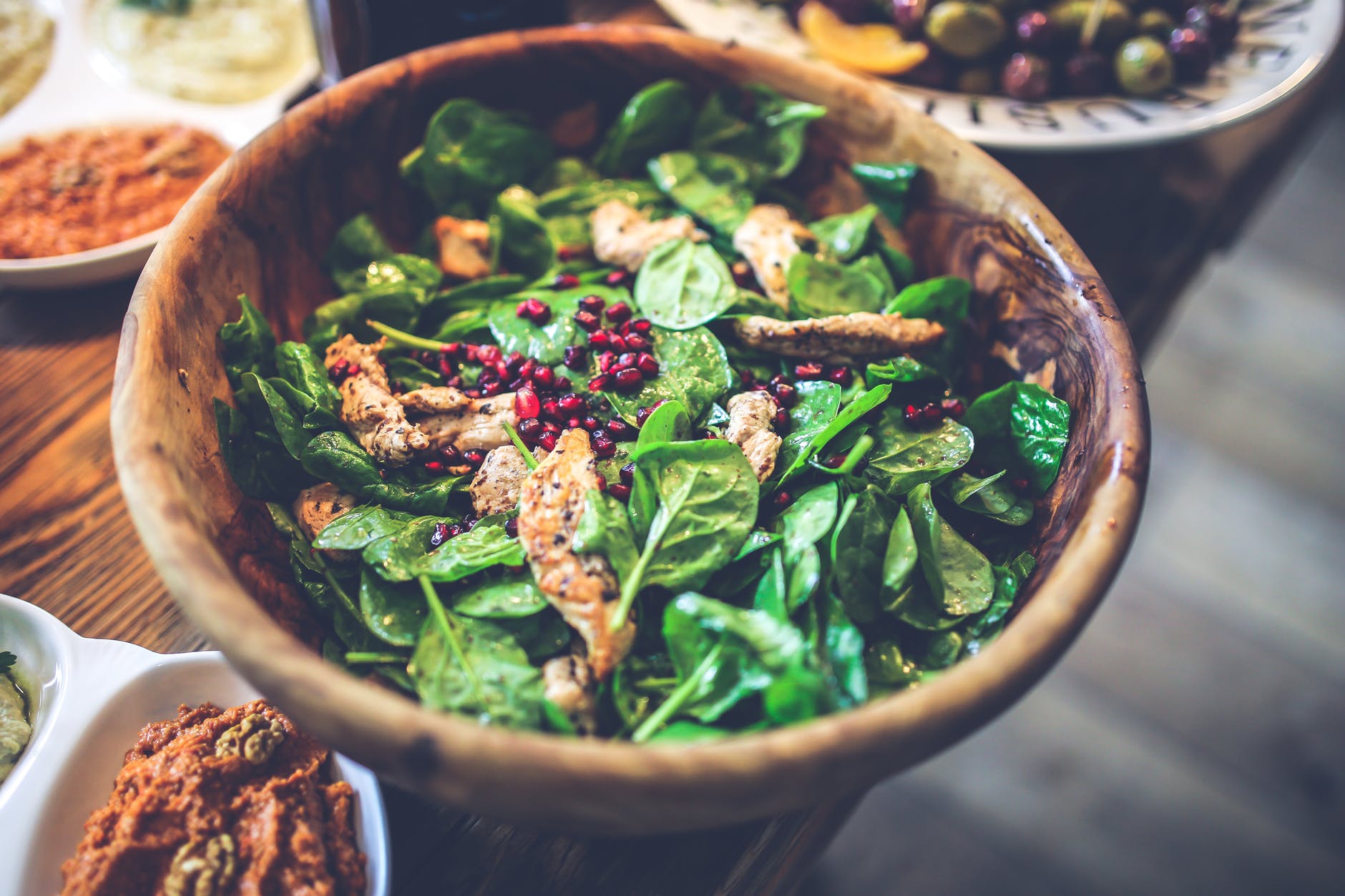
salad

  • Eat Balanced Meals

A balanced meal is one which contains protein, healthy fat, and fiber. This will keep your blood sugar levels and hormones stable. You’ll have consistent energy and stay satiated between meals. Examples of balanced meals on trail include 1) a smoothie with greens powder (fiber), whey powder (protein), and hemp seeds (fat, fiber) or 2) rehydrated black beans (fiber, protein), chicken (protein), and olive oil (fat).

  • Consume Minerals and Electrolytes

Cravings for sugar can be masking mineral deficiencies. Chromium and Vanadium have been shown to affect glucose metabolism and the action of insulin. Magnesium affects the production of insulin, cortisol, adrenaline, and glucagon–hormones which impact blood sugar. Consider a product (like this one) to add trace minerals to your water. Use an electrolyte replacement powder or make your own. Add pink sea salt, which contains over 80 minerals, to your food and water.

  • Boost Gut Health

This study on how gut microbes influence eating behaviors indicates that supporting a healthy level of microbial diversity can have a plethora of positive results, from decreased cravings to increased immunity and neurotransmitter production. Support your gut by eating more soluble fiber from sources such as legumes, veggies, and nuts. Also eat more probiotic-containing foods, such as yogurt and sauerkraut, or take a high-quality supplement.

Sustainable behavior change and new habits are formed gradually. Incorporate the above suggestions one by one and you’ll notice that your cravings for sugar and other simple carbs are drastically reduced. If you do still find yourself wanting to reach for something sweet, choose natural sources of sugar, such as fruit. The fiber slows digestion and the rise in blood sugar. Pair sweets with protein and fat to buffer the insulin and blood sugar response.

When you’re no longer relying on sugar for quick hits of energy, you’ll find yourself with more consistent energy throughout the day and fewer cravings. You’ll likely consume less food overall, thereby allowing you to carry less food on your adventures. You can miss a meal without becoming jittery, shaky, or angry. Perhaps best of all, you’ll have better metabolic resiliency and improved overall health in the long run.

Like what you’re reading? Sign up here to be the first to know when new posts come out! Plus get access to my Eat for Endurance ebook for free!

Five Natural Sunburn Remedies

sunburn

Ahh, summertime–cookouts, swimming, long days spent outside, and as is often the case, sunburn.

As much as we try to avoid it, most of us are familiar with the red, painful skin of a sunburn. Use the following natural remedies for quick relief!

A limited amount of time in the sun supports vitamin D production and regulates our circadian rhythm. However, too much exposure to the sun’s ultraviolet rays damages the skin, creating a painful sunburn.

Sunburn symptoms may not appear until up to 24 hours after you’ve been in the sun, so you don’t always know when a burn is happening. While it’s wise to keep the following remedies on hand, it’s even more important to avoid burns in the first place. Sunburns not only lead to pain, inflammation, peeling, and blisters, but they also increase the risk of skin cancer.

To avoid the sun’s harshest, most intense rays, avoid direct exposure between 10am and 4pm. When you are in the sun, cover your skin with light, breathable clothing, and wear a wide-brimmed hat. Consider using a sun umbrella, and apply sunscreen to exposed areas.

When you do your best to avoid a burn, but the sun gets the best of you anyway, use the following remedies for fast relief.

essential oil

Apple Cider Vinegar

ACV soothes burns and speeds healing. The acetic acid in ACV eases itching and inflammation. Add 1-2 cups to tepid bath water and soak for 30 minutes. Alternatively, combine 1 part ACV to 7 parts water and use this mixture for a compress. Apply to burns several times daily. To speed recovery, infuse the vinegar with one of the soothing herbs listed below.

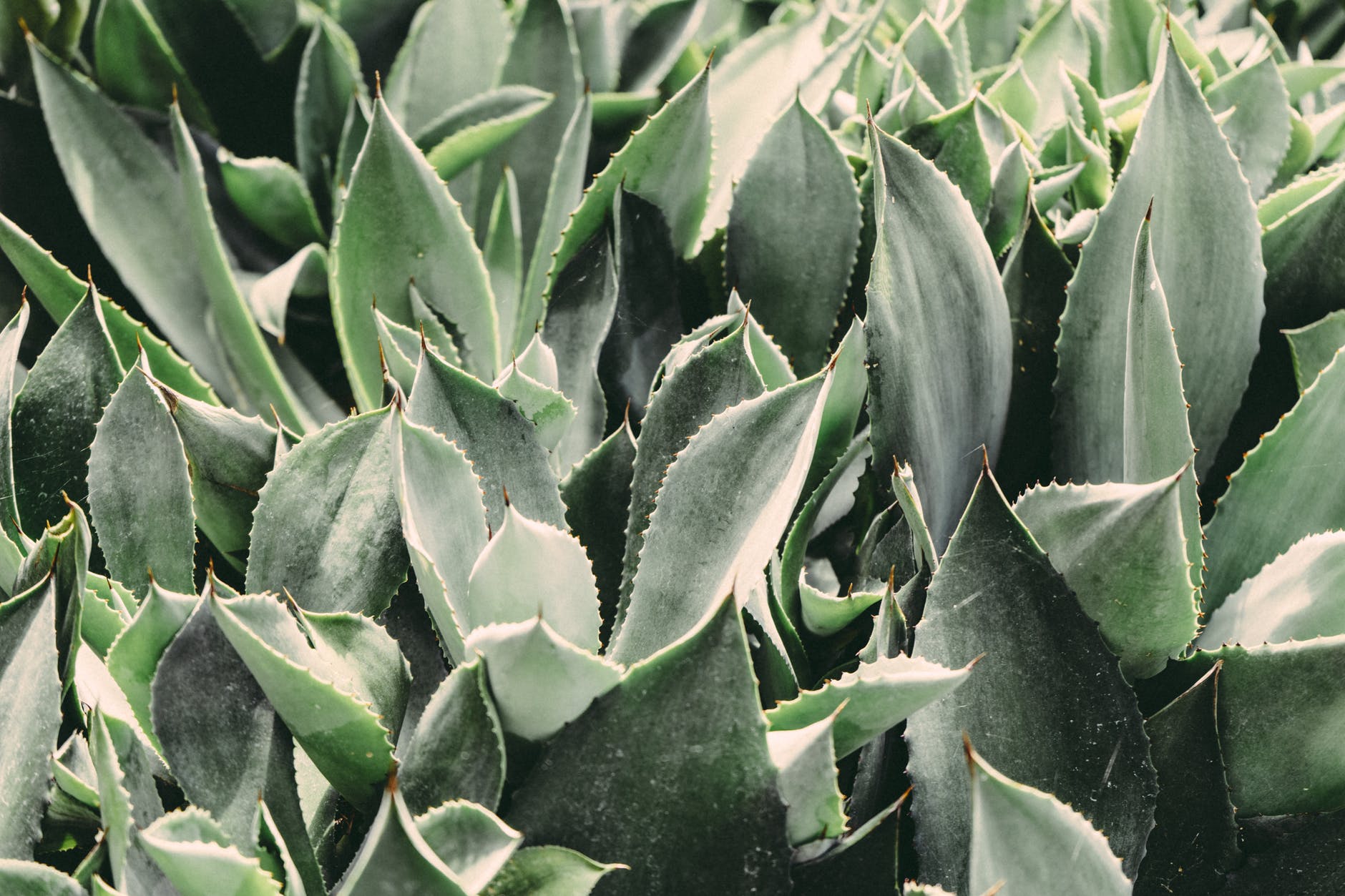
aloe vera

Aloe Vera

The gel of this plant soothes, moisturizes, and heals burned skin. Harvest your own aloe gel from a plant at home or find commercial aloe at any drugstore. Look for one that has only the gel and no additives. Apply several times daily to unbroken skin, allowing it to air dry.

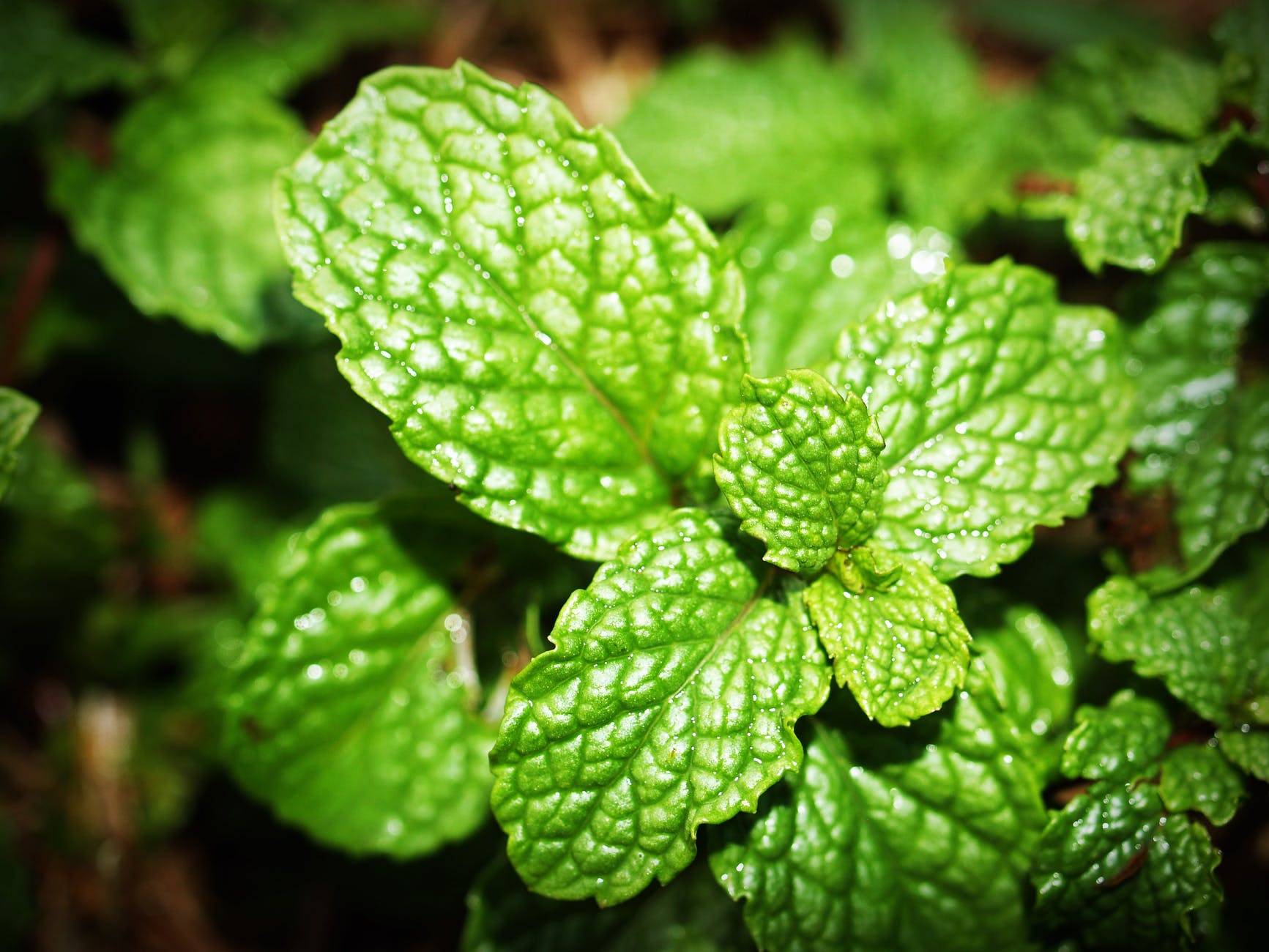
peppermint

Essential Oils

Peppermint essential oil is cooling and analgesic, making it a great choice for painful, burned skin. Lavender essential oil is anti-inflammatory and antimicrobial, and can speed healing. Consider other anti-inflammatory oils such as rose geranium, helichrysum, and chamomile.

Dilute oils prior to application. Consider using aloe gel or creating a spritz by combining 20-40 drops of essential oil with 1 tablespoon ACV and 5 ounces of water in a spray bottle.

bees

Herbs

Soothe sunburn with herbs that are anti-inflammatory, high in tannins, and promote wound healing. Consider green and black tea, plantain, comfrey, calendula, St. John’s wort, witch hazel, chamomile, and lavender. Use these herbs in compresses, sprays, salves, and infused in vinegar.

baths

Baths

Baths with common household ingredients can also alleviate redness and burning. Try an oatmeal bath by placing 1-2 cups finely ground oatmeal into an old sock, tying it off, and soaking with it in tepid bath water for 15-30 minutes. Baking soda is another option. Pour 1-2 cups baking soda into a tepid bath and soak for 30 minutes.

These methods work well alone and in combination. Cold compresses and baths are helpful in the early stages for immediate relief. Once the burn has cooled, salves and lotions can be great for healing skin.

To support healing from the inside out, ease the stress of the burn with adaptogen herbs, such as eleuthero root. Eat plenty of foods high in the antioxidant Vitamin C, such as fruits and veggies, to combat free radical damage. Finally, stay hydrated to replenish lost moisture and support recovery.

Like what you’re reading? Click here to be the first to know when news posts are released.

Paleo Granola

trail

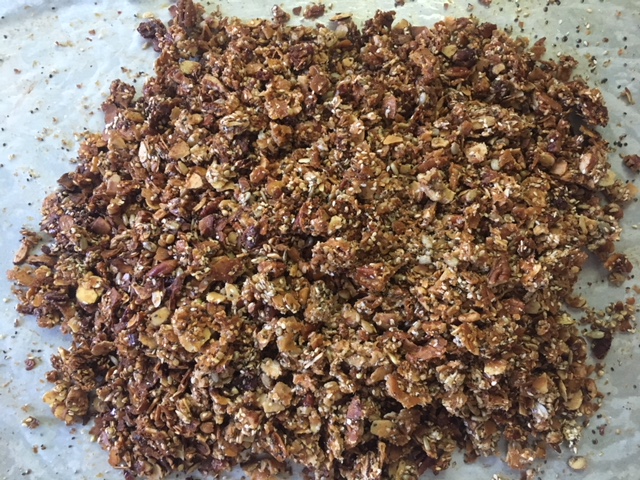
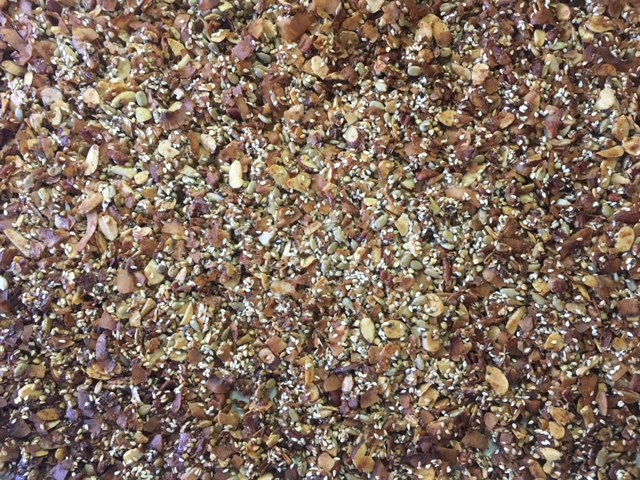
This granola is super simple to make. It’s quick (less than an hour including bake time) and the ingredients are easy to find in any supermarket.  A little bit keeps me satisfied and full of energy for a long day in the mountains.

I like to make a batch of this to have on hand as an easy on-the-go snack for long day hikes and backpacking trips. It’s full of healthy fats and protein. It’s free of gluten, grains, dairy, and refined sugar. It’s calorie-dense, healthy, and delicious. Plus, it’s easy to omit or swap out ingredients depending on what’s in your kitchen!

granola

Paleo Granola

*free of gluten, grains, dairy, refined sugar

1 cup (4.5 oz) chopped pecans
3 cups (6 oz) coarse coconut flakes
1.5 ( 6 oz) cups sliced almonds
1 cup (6oz) pumpkin seeds
1/2 cup (4 oz) sesame seeds
1/2 cup (3 oz) sunflower seeds
1/8 cup (0.75 oz) chia seeds
1/4 cup (1 oz) hemp hearts
1 tsp sea salt (Pink Himalayan is my favorite)
1 tablespoon pumpkin pie spice (blend of nutmeg, cinnamon, ginger, nutmeg, allspice, cloves)

1/2 cup (4 oz) grass-fed butter (or olive oil or coconut oil)
1/2 cup (6.5 oz) honey

Mix all the dries together. Melt honey and butter, and mix into dries. Spread onto parchment lined cookie sheet.

Bake 25 min at 300 or until lightly golden brown. Be careful not to overbake! This can happen quickly.

Allow granola to cool,  and break into clusters of whatever size you like. Add in dried fruit, such as blueberries or cranberries, if desired.

Store in glass jar at room temp for up to 10 days.

Yum!

granola

Like what you’re reading? Sign up here to be the first to know when new posts come out!

How to Eat Healthy on a Thru-Hike

hiker eating

Of the many tasks hikers must think about before a long distance hike, food is at the top of the list.

Where will you resupply? How much food will you need? What will you eat? How do you choose which food to carry?

Either because they see no other option or because they don’t see the benefits of choosing healthier foods, many hikers settle on the standard diet of highly-processed packaged foods by default.

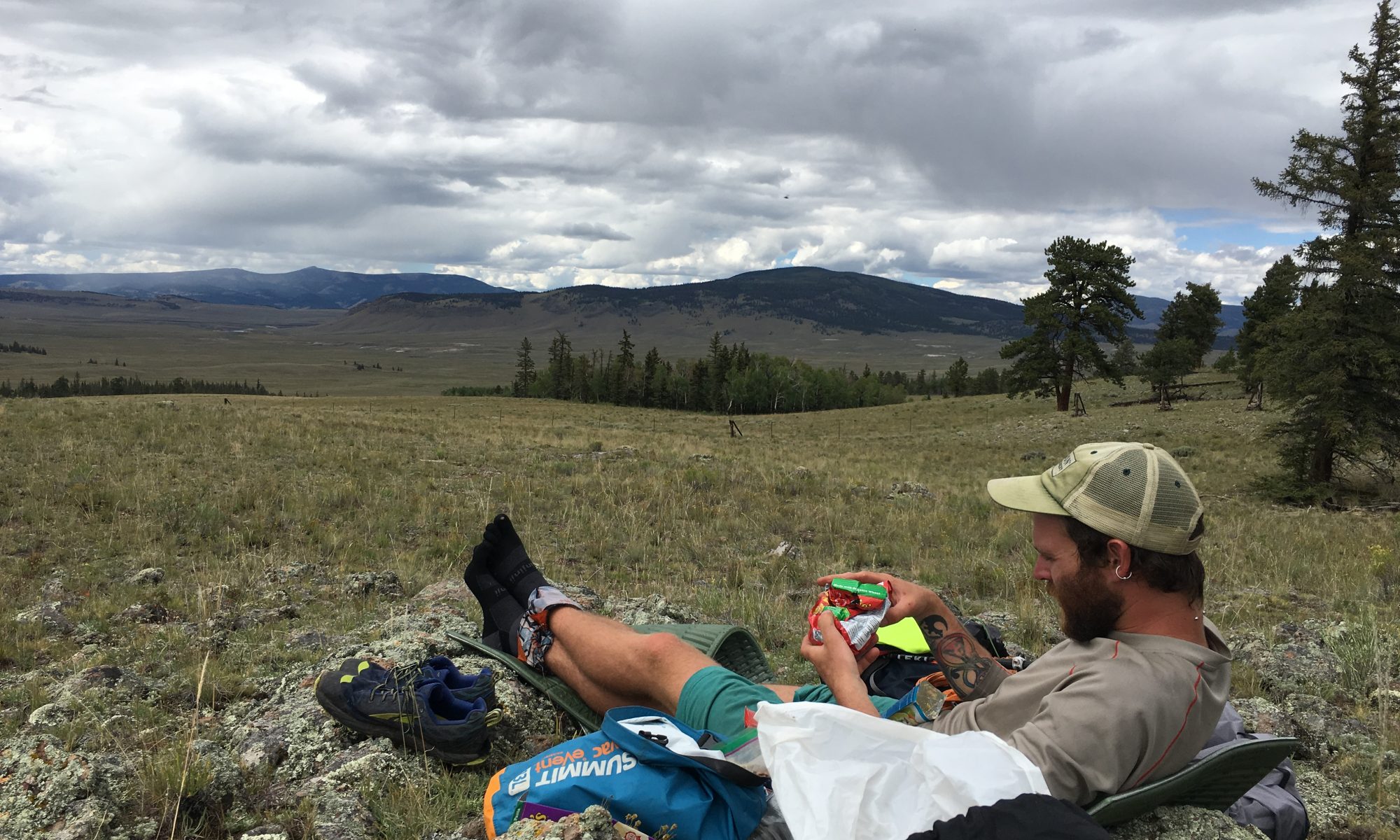
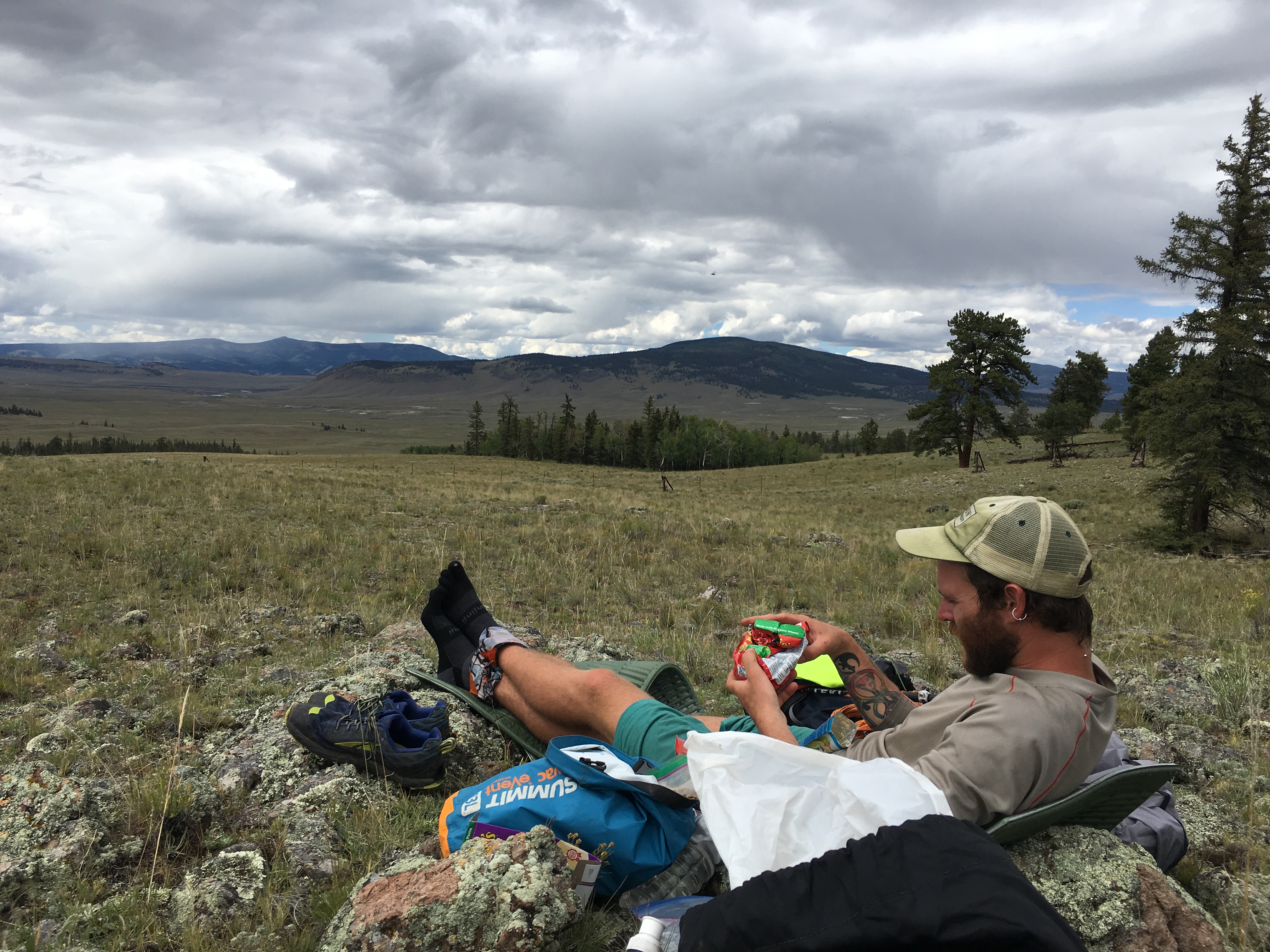
In this video, I give you a glimpse into what a sample day of eating might look like on trail for hikers who prefer simple to prepare, whole food options for increased energy, faster recovery, and better endurance.

Like this? Sign up for my bi-weekly newsletter and be the first to know when new posts come out!

Trail Food Makeover: How to Eat for Optimal Energy & Endurance

Besides gear, there are few other topics hikers like to discuss as much as food. The ins and outs of resupplying are often one of a hiker’s primary concerns before embarking on any long distance trail. In this 2 part series, we break down the before and after diet changes to optimize performance, as well as compare cost, calorie density, and overall nutrition.

This ‘trail food makeover’ is a collaboration between Chris and Katie. In 2017, Chris hiked the Continental Divide Trail (CDT) eating wh

at most would consider a typical ‘thru-hiker’ diet (i.e. cheap, highly-processed foods). How did he feel? He had days where he felt great, and days where he felt completely fatigued, especially towards the end of the hike. Chris recalls one particularly rough day:

It was barely noon, and he felt lethargic, like he was in “zombie-mode”. He kept pushing through, but finally had to stop for an early dinner around 4 pm. He gorged himself because he was so hungry.

That day was an eye-opener, and he thought, “Man, I’m not doing something right here.” He wasn’t sure whether his resupplies contained enough calories, he lost a lot of weight, and by the end of the trail he was feeling worn down. Read more about his hike here.

Enter Katie. As a nutritionist, health coach, and fellow long distance hiker, Katie understands the specific concerns of thru hikers and the physical demands of a long distance hike on the body. After working through adrenal fatigue and autoimmune issues herself, Katie now helps other hikers fuel for optimal energy, endurance and performance with meal planning, personalized coaching, and through her website.

continental divide trail

Heading into the 2018 hiking season, Chris knew he needed to revamp his trail diet to have the energy necessary for hiking big miles and climbing peaks. His goal was to eat for sustained, consistent energy throughout the day, and to make sure he was getting enough calories, and the right kind of calories, for long term health.

In this post, Chris breaks down what his diet looked like on the CDT, and Katie adds insight into what he could change to eat for improved energy, endurance, and optimal performance.

Chris:

In April of 2017 I was brand new to thru-hiking. I planned to thru-hike the CDT and my preparations were constantly on my mind. One of my biggest concerns was resupply. Would I have to send myself resupply boxes? How much food would I need? What would I eat? What foods would last on trail?

The logistics of food resupply quickly sorted themselves out once I was actually on trail. I spoke to fellow thru hikers who had way more experience than I did. I pieced together bits of their resupply strategies to create my own. (Nobody I met ate what might be considered a “healthy” trail diet). Before long I was carrying a food bag of what might be considered a thru hiker’s traditional resupply: Snickers, cheese, summer sausage, rice sides, chips of varying kinds, and candy.

After 2,000+ miles of hiking, I had dialed in my food plan.  Below is what I ate in a typical day on trail.

Katie:

Remember, you don’t have to completely overhaul your diet all at once. Nor do you have to give up all your favorite foods. Even small improvements, substitutions, and tweaks can make a big impact on your health and how you feel. Below are my suggestions for how Chris can meet his energy goals by adjusting his diet.

continental divide trail desert

Breakfast

Chris:

I typically start my day around 5:30-6:00 am. The night before I usually filled a powerade bottle ¾ of the way full with water, add an instant coffee pouch and a Swiss Miss hot chocolate pouch, then give it a good shake. I’d wake up to a nice, cool, caffeinated drink in the morning.  

I’d also eat a 20-gram protein bar from either Power Bar or Gatorade. This temporarily eased my immediate hunger upon waking. I’d also eat a caffeine-containing Clif Bar (Mint Chocolate or Toffee Buzz). Another part of my morning food intake became cookies, most often Nutter Butters!

Here was the breakfast breakdown:

  • Swiss Miss Hot Chocolate Packet
  • Starbucks Via Instant Coffee Packet
  • Either a Power Bar or Gatorade Bar containing 20g of protein
  • Clif Bar containing caffeine
  • 5-6 Nutter Butter cookies

Katie:

When eating to sustain energy levels throughout the day, I find that many hikers feel best starting the day with fat and protein. By eating a lot of sugar first thing in the morning, you may feel an initial surge of energy as glucose enters the bloodstream, but you’ll soon experience a “crash” as insulin shuttles glucose into cells and blood glucose levels rapidly decline. This is experienced as bonking, fatigue, and hitting the wall. For more sustained energy, consider fat and protein, which do not spike glucose and insulin levels as much, thereby giving you longer-lasting energy without the crash.

For Chris, I suggest cutting back on the sugar at breakfast and increasing healthy fats. By healthy fat, I’m referring to saturated fat and unsaturated fat from whole foods, as opposed to the harmful trans fats found in many commercial products.

Chris can keep his instant coffee drink, but consider having it black, with powdered full fat coconut milk, or even with just half the Swiss Miss packet. He’s doing great by eating a bar with at least 20g of protein first thing. This will help satiate him. Ideally, if he can find one with fewer processed ingredients, he can further reduce inflammation. Finally, rather than reaching for artificial energy with the caffeine Clif Bars and sugary cookies, Chris could save himself stress on his adrenals, and fuel with healthy fats instead.

Makeover:

hiker eating

Snacks/Lunch

Chris:

I’ll start by saying I never had a specific lunch-type meal. Instead, I carried several snacks to munch on throughout the day during several short breaks, rather than taking a longer lunch break. So, from the time I broke down camp until the time I stopped to cook dinner, it was all about a variety of snack foods!

Here is what I snacked on:

  • Chips
    • Ranch Doritos
    • Pringles
    • Cheetos
    • Fritos
    • Frito Twists
  • Bars
    • Nature Valley
    • Power Bars
    • Pro Bars
    • Beef Jerky
    • Slim Jims

Katie:

Most of Chris’s snacks are highly-processed foods, consisting of simple carbs. Many of these foods have preservatives, artificial colorings, trans fats, and high fructose corn syrup, which can all create inflammation. This leads to greater fatigue, as the body tries to keep up with the physical demands of hiking all day coupled with the demands of combating chronic inflammation. Also, relying solely on simple carbs without adequate protein and healthy fats will keep Chris on the blood sugar roller coaster of energy swings.

Snacking throughout the day can be a great way to maintain energy, and carbohydrates are essential for fueling a long distance hike; however, I’d suggest choosing more whole food sources, and pairing them with protein, fat, and fiber for stable blood sugar. For chips, look for varieties with less than 5 ingredients, ideally without vegetable oils, such as canola (though that can be hard to find). For jerky, look for grass-fed sources, raised without antibiotics, with no added nitrates, MSG, or gluten.

Makeover:

  • Other
    • Granola, ideally homemade (higher in nuts/seeds, low in added sugars)
    • Nut/seed butters, such as peanut, almond, sunflower, without added sugars or oils
    • Dried Fruit
    • Nuts & Seeds
    • Homemade trail mix, with dried fruit, nuts, seeds, coconut, chocolate chips, etc. (Go down the bulk bin aisle and choose your favorites for endless variety)

trail

Dinner

Chris:

I would tend to stop and cook my one hot meal of the day around 5:30pm. I often ate a Knorr rice side or Idahoan dehydrated potatoes with chunks of cheese and summer sausage. After dinner I’d continue to hike on and treat myself to some candy when I set up my camp for the night.

My Usual Dinner Options:

  • Various Flavors of Rice Sides
  • Various Flavors of Pasta Sides
  • Various Flavors of Idahoans
  • Cheese
  • Summer Sausage
  • Skittles

Katie:
Chris could upgrade his dinners by looking for less processed versions of these staples, which would help keep inflammation lower. Consuming carbs at the end of the day helps restore muscle glycogen, so he’ll be ready to hike again the following day. Having protein with those carbs can further aid in restoring muscle glycogen. Aiming for a 3:1 or 4:1 ratio of carbs to protein works well for many athletes. Additionally, I would suggest adding in a healthy fat, such as olive oil or coconut oil, to help replenish calories and aid in satiation. Chris’s diet also contains virtually no fruits or veggies, so I would suggest adding dehydrated veggies to his dinner and/or a greens powder sometime during his day. Dinner is also a great place to add in spices, which can boost the overall nutrition and antioxidant content of his meal. Finally, I would swap out the highly processed skittles, for a dessert such as dried fruit or dark chocolate, which are loaded with the antioxidants your body desperately needs to repair.

Makeover:

  • Rice noodles (just the noodles, without the preservatives)
  • Couscous
  • Instant Potato Flakes (just the potatoes, without preservatives, like this one)
  • Dehydrated Veggies
  • Cheese
  • Summer Sausage (grass fed sources)
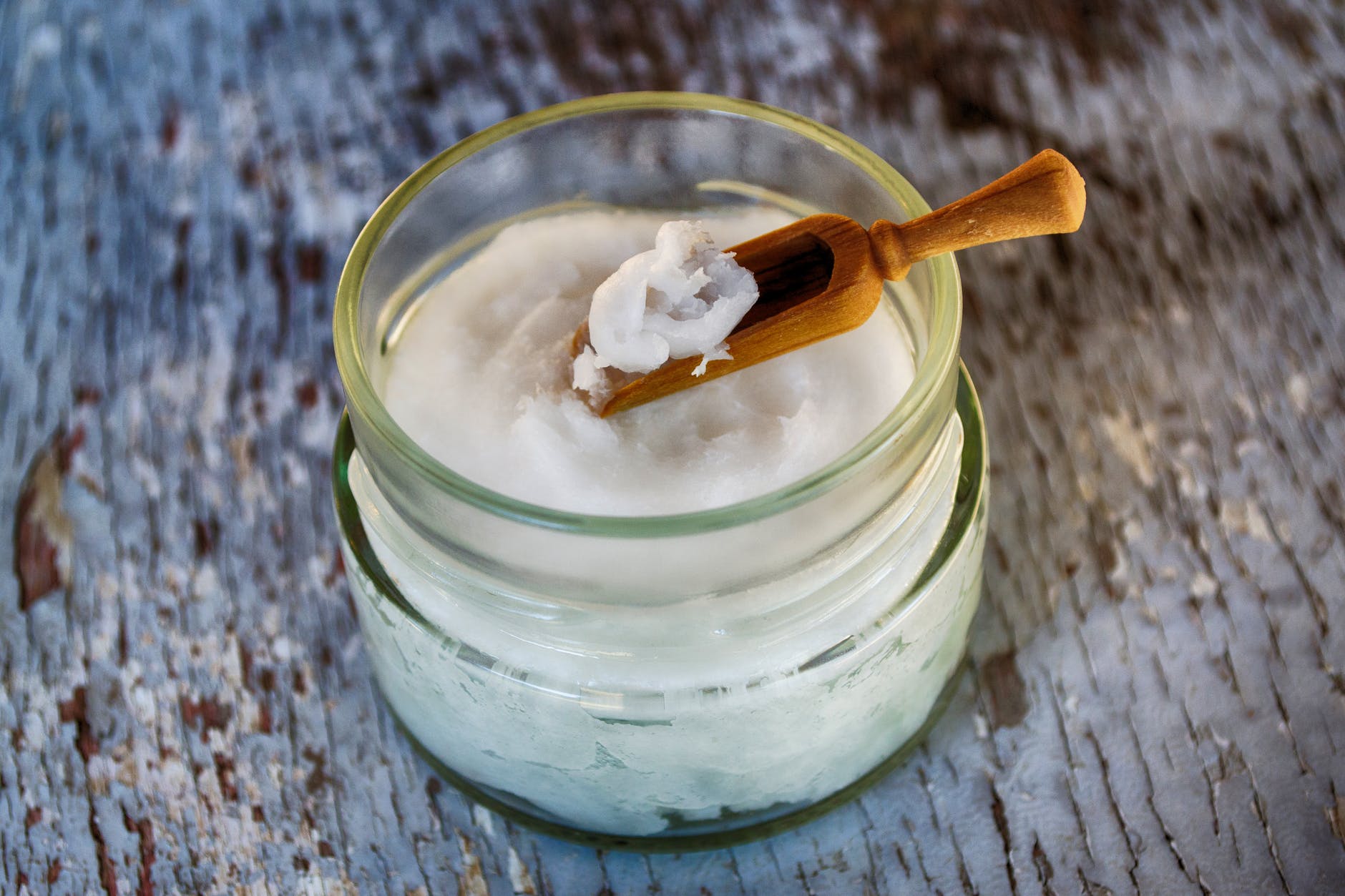
  • Coconut Oil
  • Olive Oil
  • Spices such as garlic powder, curry powder, turmeric, cumin, and cayenne
  • Dark Chocolate  (85% cacao or higher)
  • Dried fruit

In part 2, we’ll discuss how these resupplies compare in terms of calories, macronutrients, and nutrition. We’ll discuss the importance of considering both calorie dense and nutrient dense foods and compare common options. We’ll look at the weight of each of these resupplies, and finally, we’ll address the all-important concern of price and budget when it comes to the standard thru-hiker diet versus the healthier thru-hiker diet.

To follow Chris’s progress this year as he takes on the JMT and LT, subscribe to his blog here and follow him on Facebook and Instagram.

For a deep dive into performance nutrition and meal planning for backpackers, check out our online course on the topic.

Natural Remedies for Bug Bites & Stings

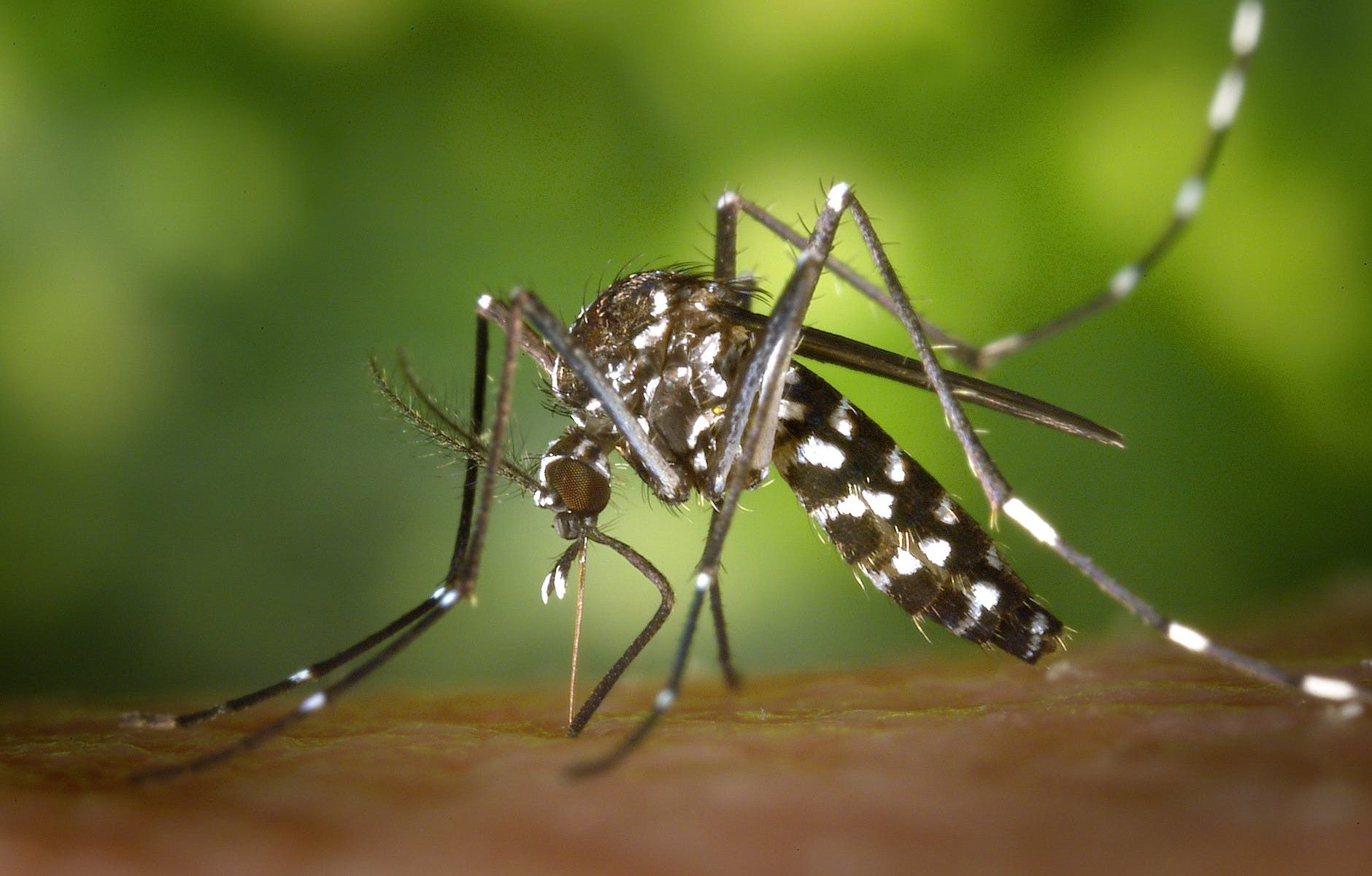
mosquito

Summer is just around the corner, which for many of us means more time spent outside. As any gardener or outdoor enthusiast knows, it’s likely just a matter of time until you have an unpleasant encounter with an  insect that bites or stings. The effect can range from slight annoyance to infections and even disease. Some of the most common biting or stinging bugs are mosquitoes, ticks, fleas, bees, chiggers, black flies, horse flies, and deer flies.

bees

Natural remedies can be a great alternative to bug sprays which contain chemicals such as DEET (N, N-Diethyl-meta-toluamide) and permethrin. DEET has been linked to many harmful effects, including impaired cell function in the brain, memory loss, tremors, shortness of breath, headache, and joint pain. Excessive exposure to permethrin can cause nausea, headache, muscle weakness, excessive salivation, shortness of breath, and seizures.

‘An ounce of prevention is worth a pound of cure’ as the saying goes, and when it comes to bug bites, this is no less true. Several plant essential oils are useful for their insect-repellent properties. A few of the most common ones include pennyroyal, cedarwood, citronella, eucalyptus, cinnamon leaf oil, and catnip oil. These can be added to water to create a bug spray. Note, pennyroyal should be avoided by pregnant women. Alternatively, citronella candles are commonly available. When purchasing essential oils, look for high quality therapeutic grade oils. Here’s where I get mine.

If you do your best to keep bugs at bay, but still end up with a bite or sting, the primary goals become soothing inflammation, reducing pain, and healing the skin in order to prevent infection. The following herbs can be helpful in this instance.

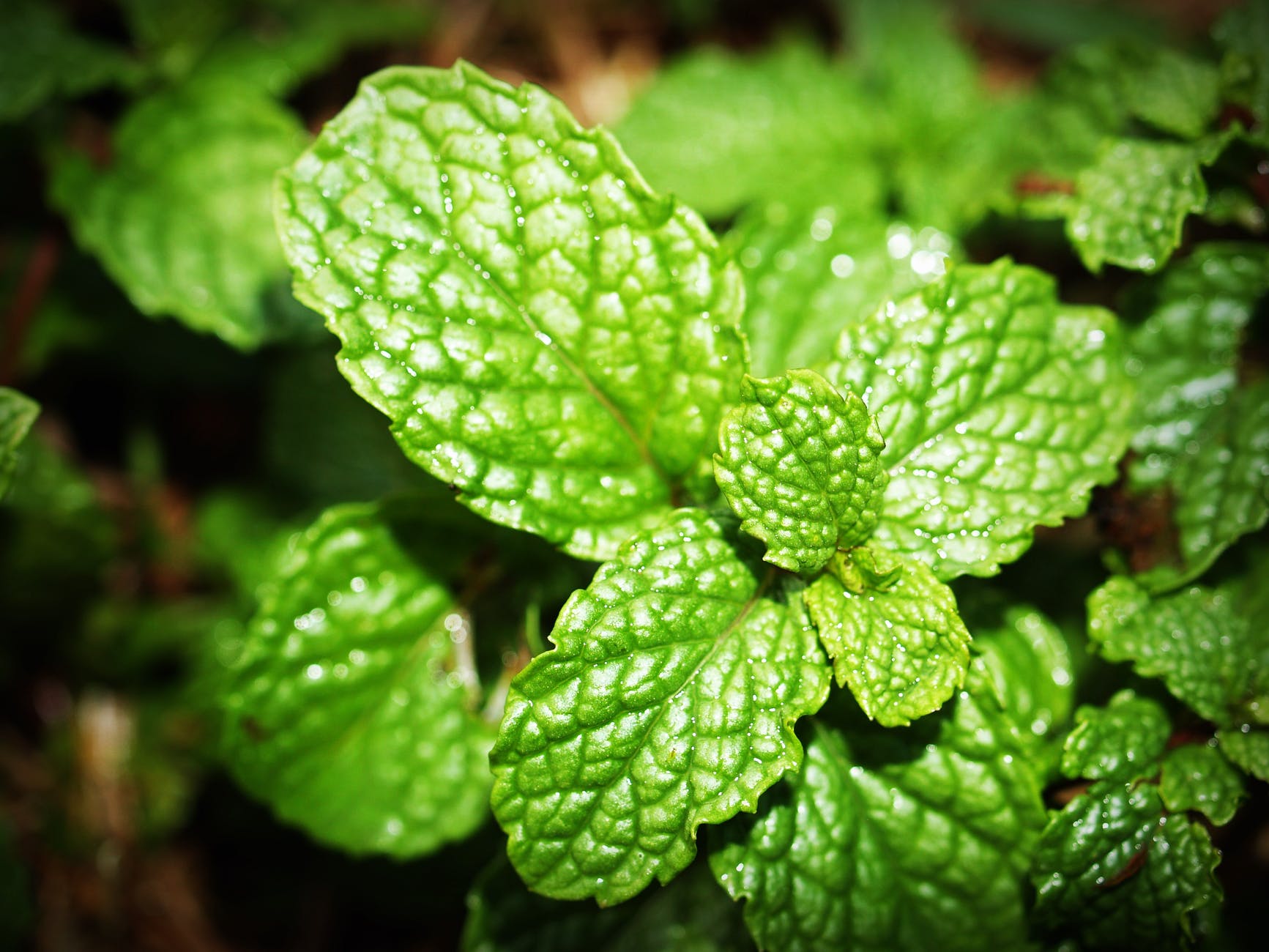
mint

Peppermint (Mentha piperita)

Peppermint oil or crushed leaves are cooling and can provide temporary relief from itchy or inflamed bites.

Plantain (Plantago Major)

Fresh plantain leaf can be used to provide immediate pain relief for insect bites and stings. To make a poultice, fresh plantain leaf can be mixed with bentonite clay and water to form a paste. Alternatively, a leaf can be chewed and placed directly over the inflamed area.

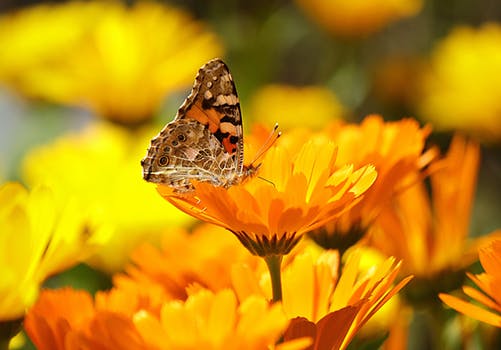
calendula

Calendula (Calendula officinalis)

Calendula oil or fresh leaves can soothe irritated, itchy skin, and can aid in healing bites and stings. A simple salve can be created with calendula, beeswax, and antiseptic essential oils, such as tea tree, rosemary, and lavender.

salve

Comfrey (Symphytum officinale)

Comfrey infused oil or fresh juice from leaves can be used topically to treat many skin conditions, including rashes, scrapes, and wounds. For bites and stings, it can reduce inflammation and relieve itching.

tincture

Witch Hazel (Hamamelis)

Witch hazel distillate is commonly available at pharmacies and is approved by the FDA as an over-the-counter remedy for relieving minor skin irritations. Create an itch-relieving poultice by mixing 3 parts baking soda with 1.5 parts witch hazel.

These remedies are made with easily found herbs and ingredients. It’s wise to keep a few (or all) on hand, especially in the summer months, when those bites, stings, scrapes, and scratches inevitably occur.

Like what you’re reading? Click here to be the first to know when new blogs are posted!

Coconut Maca Energy Bites

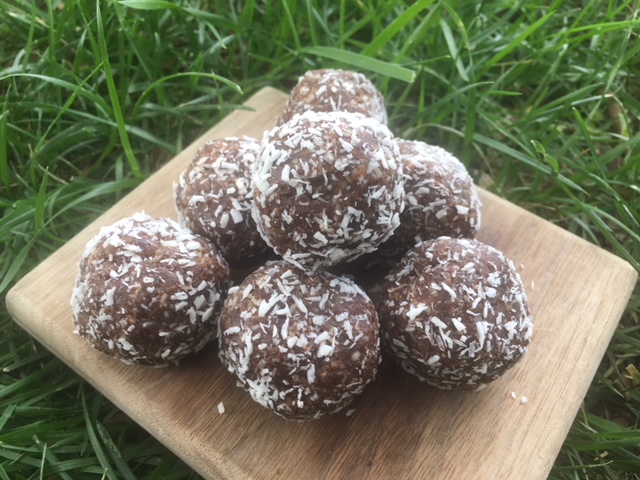
maca bites

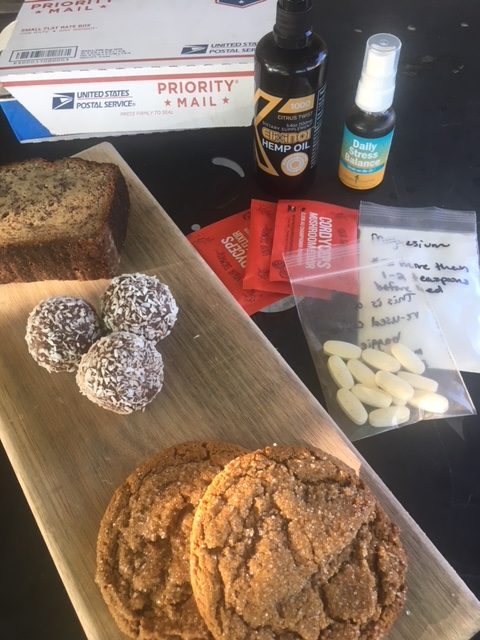
I recently prepared an unusual resupply box for a friend who is currently thru-hiking. This was not your average resupply box full of ramen, snickers, and pop-tarts though. This box focused on performance-enhancing ingredients. He’s nearing the end of a 2200-ish mile route, so his body is getting tired. His primary concerns are enhancing recovery and optimizing sleep. These maca coconut energy bites were a key component of the goodies I sent him.

Food is always the first line when it comes to optimizing performance. However, during a demanding endeavor, such as a thru-hike, supplementation can certainly support the mind and body in performing better.

There are many supplements that came to mind when I began brainstorming around endurance, recovery, and sleep. Note: Since I am not a doctor, I don’t prescribe, treat, or diagnose. However, I do know what I’ve seen work for myself and others in the past.

I included several items in the box, but an area I focused on in particular was a class of herbs called adaptogens. Adaptogens have become one of those buzz words in the holistic health space as of late, but they’ve been studied since the 1960s and herbalists have used them for decades. Simply put, adaptogens aid the body in adapting to stress. From the journal Pharmaceuticals, “studies on animals and isolated neuronal cells have revealed that adaptogens exhibit neuroprotective, anti-fatigue, antidepressive, anxiolytic, nootropic and CNS stimulating activity.”

In addition to an adaptogen tincture I included in his box, I was also interested in including Maca root (Lepidium Peruvianum Chacon). While more clinical trials are needed, Maca has a long history of traditional use. It’s a Peruvian staple food grown in the harsh, high plateaus of the Andes. It’s been used to improve stamina and endurance, balance hormones, and improve immunity. It’s also believed to be an aphrodisiac and improve libido. Due to these properties, many consider Maca to be an adaptogen.

Maca can be purchased in powder form and lends itself easily to including into foods. It has a pleasing nutty flavor, and it’s packed with vitamins and minerals, so it boosts the nutrition of any food to which it’s added.

These bites were designed to be energy-dense and durable. They are a convenient and tasty way to get in nutrient-packed maca, as well as healthy fats from the hemp hearts, coconut oil, and walnuts. The dates provide sweetness and quick energy. Due to the fats, protein, and fiber, they’ll boost your energy without the sugar crash afterwards.

Maca Coconut Energy Bites

Makes 11x30g bites

  • 1 cup pitted medjool dates
  • 1/2 cup walnuts
  • 1/2 cup hemp hearts
  • 1/2 cup dried unsweetened coconut
  • 2 tbsp organic maca powder
  • 1 Tbl coconut oil
  • 1/4 tsp sea salt
  • 1 Tbl cacao powder
  • 1 tsp vanilla extract

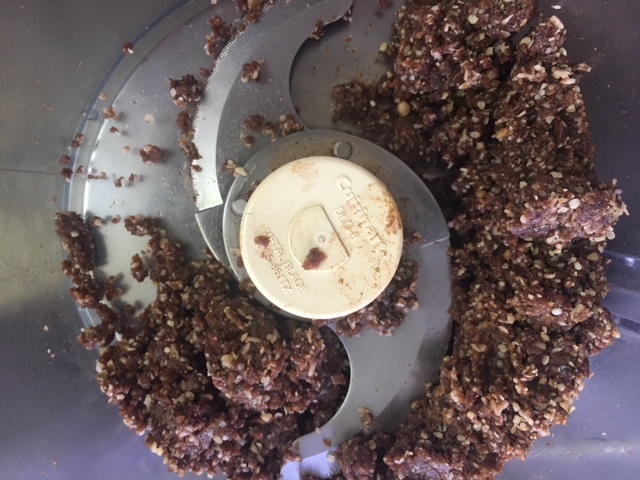
Blend all ingredients in a food processor until mixture is well blended and creates a soft dough. If dough is not coming together, add a bit more oil or a tiny bit of water.

maca bites

Roll dough into 30 gram balls (a hefty tablespoon), roll them in coconut and put into an air tight container. Store in the freezer until you’re ready to eat.

Like what you’re reading? Sign up here to be the first to know when new posts come out.

maca bites

Herbs & Lifestyle Strategies for Managing Stress

stress relief

Nearly everyone I know faces unprecedented demands on their time. We all have several roles we play, each with a different set of expectations, whether that’s at work, with our families, in our social lives, or elsewhere. It can be all too easy to over-commit, and when that happens, stress can quietly (or not so quietly) sneak up on us. However, keeping stress at bay is essential to be our most productive, creative selves and perform at our highest level.

As we navigate a world of ever-increasing demands, it’s essential to build a personal toolbox of strategies which support us in reliably managing stress. You may already have a toolbox without consciously knowing it. Test out the following ideas, see what works for you, and build a set of practices you can utilize anytime you feel stress creeping in.

herbs

Take Adaptogens

Adaptogens are a class of herbs which help the body adapt to stress and promote homeostasis, or stability, within the body. Some common examples include Ashwagandha (Withania somnifera), Eleuthero (Eleutherococcus senticosus),  Schizandra (Schisandra chinensis), Licorice (Glycrrhiza glabra), and Rhodiola (Rhodiola rosea). Adaptogens can be taken as a tincture, capsule, tea, or powder added to foods. Use the single herbs or take an adaptogen formula with several different herbs. Adaptogens are a key resource in your toolbox which can be used daily to keep your mind and body resilient.


exercise

Exercise

Incorporating movement into your day is crucial to keeping stress at bay. Exercise reduces stress hormones, such as cortisol and adrenaline, while also boosting endorphins, the body’s natural painkillers. Whether you choose cardio or weight lifting or something else, find an activity you enjoy and create an exercise habit if you don’t already have one.


nature time

Spend Time in Nature

Studies have shown that wilderness-based stress management tools, such as time in nature and gardening are effective at reducing burnout and other stress-related symptoms. Whether it’s a walk in the park, a weekend backpacking trip, or an afternoon in the garden, make space for more time in nature.


time

Learn to Say No

Perhaps more important than any strategy to mitigate stress is learning to avoid it in the first place. A key tool to prevent stress is to steer clear of taking on too many commitments in the first place. Most of us like to say yes when something is asked of us, but learning to discern the important few from the trivial many is crucial for stress management. For more ideas, check out books like Essentialism, and The One Thing.


toolbox

Other Tools

A few other stress management strategies to consider include: social time with friends and family, journaling, meditation, taking a hot bath, dancing to music you love, cuddling a pet, making art, and doing something kind for another person.

Test different strategies, find what works for you, and build a toolbox to alleviate stress when it comes creeping in, as it inevitably will.

Simple Sauerkraut

New research is coming out daily about the impact of gut health on almost every aspect of human health, from immune function to mood and brain health. A PubMed search for “microbiome” (the term used to describe the collection of 100 trillion bacterial cells that inhabit our bodies) returns over 60,000 results!

Needless to say, our gut bacteria play an important role in our health. and keeping a healthy population and diversity of the right bugs is key to optimal performance in every area of your life.

One of the best ways to support a healthy microbiome is to include both prebiotic and probiotic foods in your diet. Prebiotics are the food that feed the good bacteria. Probiotics are the good bacteria themselves.

Put quite simply, foods high in fiber are good prebiotoics (think fruits and veggies). Examples of probiotic-containing foods include fermented and cultured foods such as kimchi, yogurt, kefir, miso, and the focus of today’s post: sauerkraut.

If you’ve never heard of the microbiome, including gut-healthy foods may feel intimidating to you. But, fear not!

It can be incredibly simple, tasty, and affordable.

While you can purchase your fermented foods at the grocery store, you can save money by making your own ferments at home. An easy place to start is with sauerkraut.

Below is a basic recipe from which you can create many variations!

Simple Sauerkraut

Ingredients

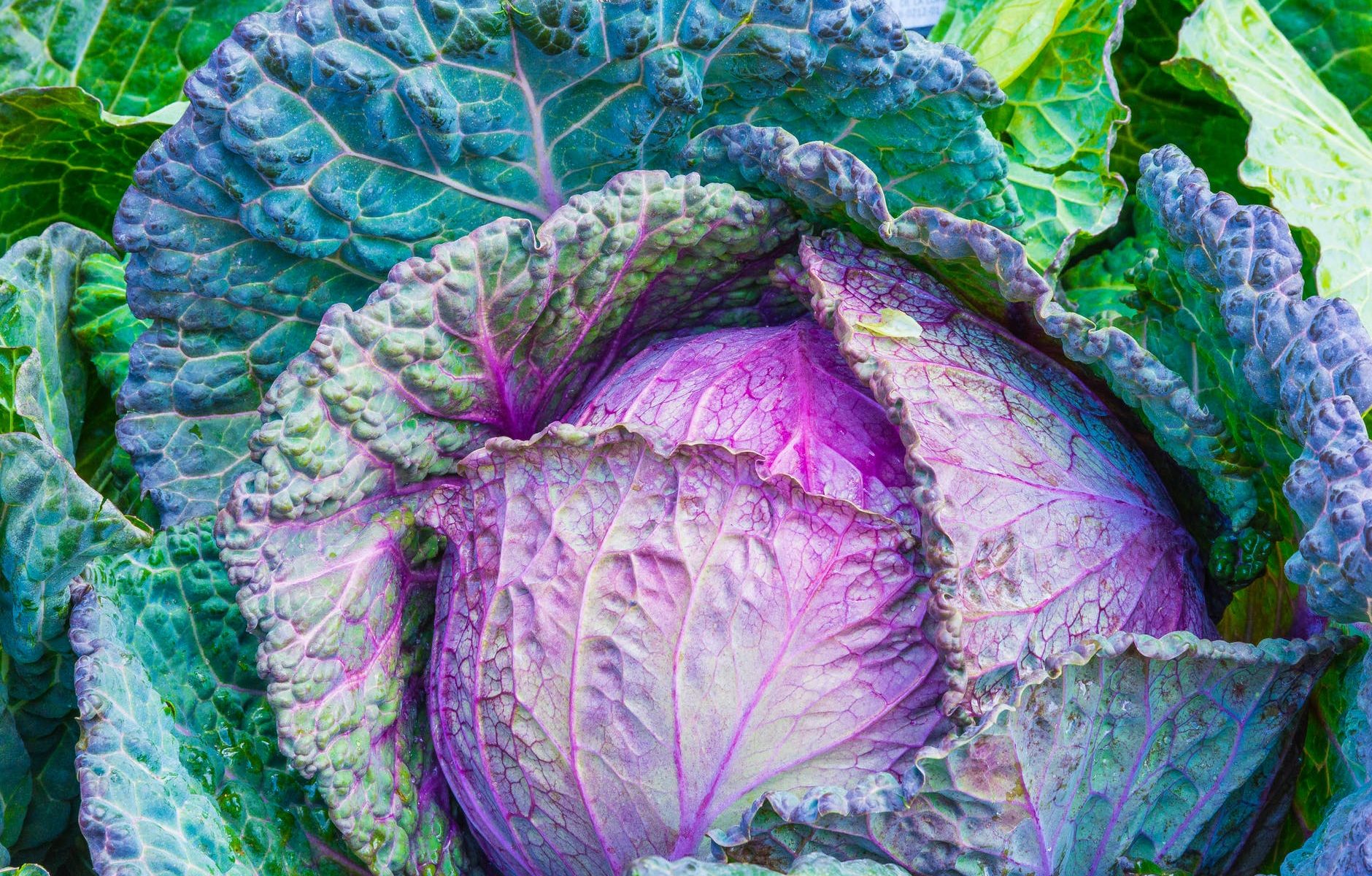
  • 1 large head green or red cabbage
  • 1/8 cup sea salt
  • Water

Directions

  1. Cut the cabbage in quarters, cut out the stem, slice finely, and place into medium bowl.
  2. Sprinkle the salt over the cabbage.
  3. Squeeze the cabbage with your hands until it begins to break down and ‘wilt’.
  4. The cabbage will eventually begin to release liquid. When this happens, pack the cabbage into a clean Mason jar. Push the cabbage down hard to remove most of the extra space.
  5. Pour remainder brine from the bowl into the cabbage jar.
  6. Be sure to submerge the cabbage below the liquid.
  7. If there is not enough liquid, add salt water until the cabbage is completely covered. To do this, mix 1 cup of water with 1 teaspoon sea salt.
  8. LOOSELY place the cap on the mason jar, but do not tighten it.
  9. Keep jar at room temperature, out of direct sunlight. (e.g. on a counter top).
  10. For the first few days, check on the cabbage and add extra liquid to keep the cabbage submerged. A bit of white foaminess is normal. However, be on the lookout for anything that looks or smells moldy.
  11. Taste the cabbage after 6-7 days. It should be tangy, but will probably still be quite crisp. Speed of fermentation depends on the ambient temperature  in your home.
  12. Ferment your kraut until taste and texture meet your preferences. I like to ferment mine about 10 days.  At this point, cap the jar and store in the refriegerator.
  13. Enjoy a dollop daily with meals!

For variations, I add different spices, such as caraway seeds or peppercorns. You can use this same method to create kimchi or ferment any other vegetable easily at home!

How to Use Herbs to Enhance Athletic Performance

trail

The days are growing longer and if you haven’t already started getting back outside and getting after it again, it’s time.

It’s easy to understand how what you eat and drink can impact your body’s performance, but did you know that you can optimize your active lifestyle with certain herbs as well?

Herbs can aid in reducing inflammation, improving stamina, and increasing speed of recovery, among other benefits. Include the following herbs in your daily routine to help your body perform better, whether your preferred style of movement is running, biking, backpacking, yoga, or a stroll in the park.

runner

Adaptogens are a class of herbs which promote homeostasis and increase a person’s resistance to stress. Some key adaptogens to consider for an active lifestyle include Rhodiola, Eleuthero, and Ashwagandha.

Rhodiola (Rhodiola Rosea)

In regards to athletic performance, Rhodiola has been shown to reduce both lactate levels and parameters of skeletal muscle damage after an exhaustive exercise session.

Eleuthero (Eleutherococcus senticosus)

Eleuthero, also called Siberian Ginseng, has long been used by athletes to improve endurance. This study showed that 8 weeks of supplementation (800 mg daily) “enhances endurance capacity, elevates cardiovascular functions and alters the metabolism for sparing glycogen”.

Ashwagandha (Ashwagandha Somnifera)

Ashwagandha is another herb that has been shown to improve aerobic capacity. Eight weeks of supplementation (500 mg twice daily) significantly improved VO2 max and time to exhaustion.

Turmeric (Curcuma Longa)

Turmeric is well-known for its anti-inflammatory effects. Studies indicate that the anti-inflammatory properties of curcumin, the active component in turmeric, may offset some of the performance deficits associated with eccentric exercise-induced muscle damage.

Cordyceps (Cordyceps sinensis) & Reishi (Ganoderma lucidum)

This 2014 study indicated that athletes supplementing with Cordyceps and Reishi mushrooms showed an increased capacity to quench free radicals, thereby protecting them from oxidative stress and over-training symptoms.

Maca (Lepidium meyenii)

In addition to its hormone-balancing effects, research suggests that Maca root, taken daily for as little as 14 days, has the ability to improve endurance in athletes.

stretching

In addition to considering these herbs to facilitate an active lifestyle, support a healthy, balanced body by including a mix of strength training, aerobic training, and stretching into your physical routine.

With a little planning, supplementing with high-quality herbs can enhance and optimize your active, healthy lifestyle!